EgyptAir Considers Direct Cairo–Dakar Route, Promising New North–West Africa Connections
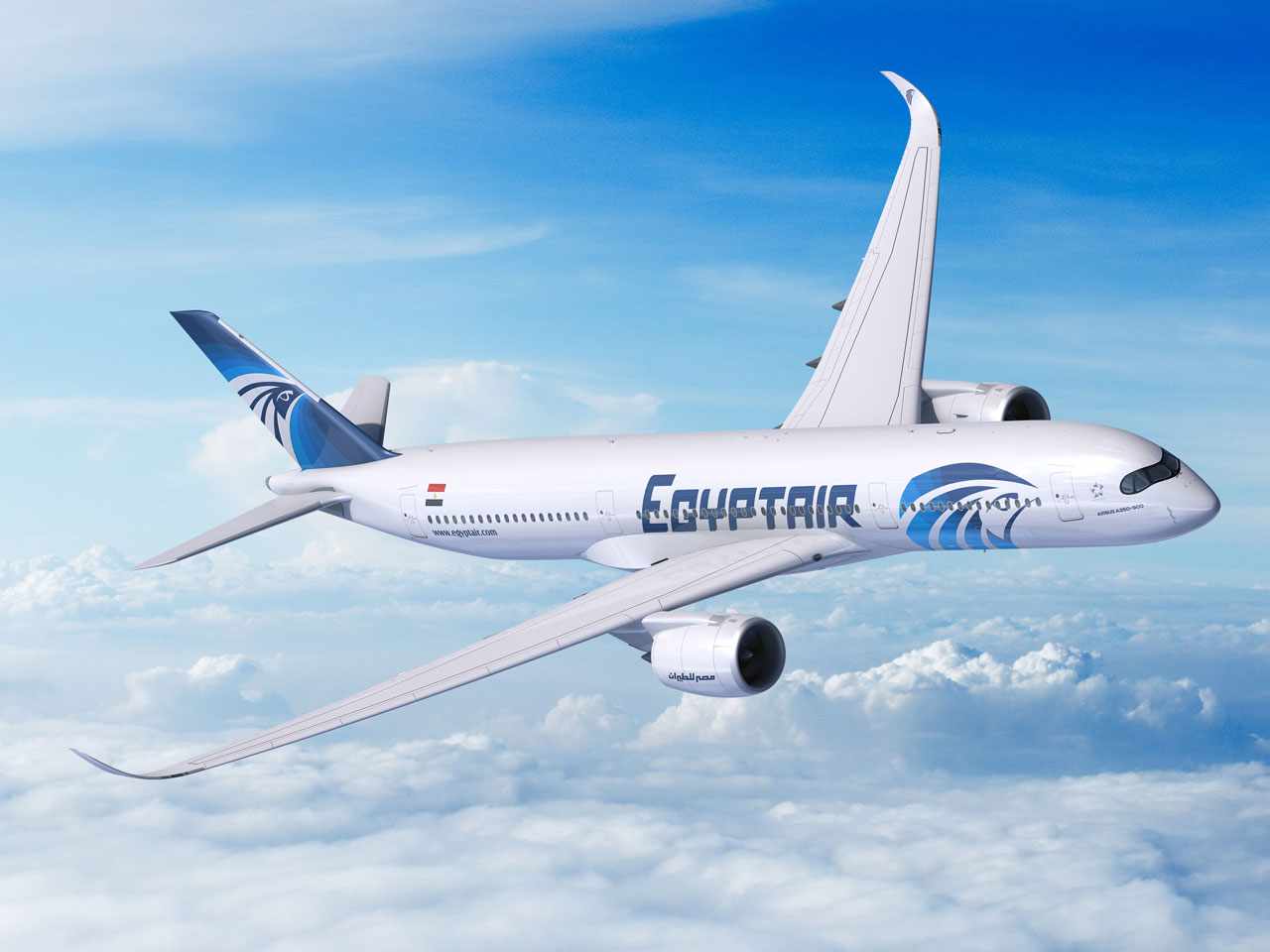
The prospect of a direct EgyptAir service linking Cairo and Dakar is gaining momentum following a pivotal meeting on November 27, 2025, between Capt. Ahmed Adel, CEO of EgyptAir Holding Company, and Kimoko Diakité, Senegal’s Ambassador to Egypt. This proposed route stands to reshape connectivity between North and West Africa, offering significant implications for the continent’s travel and tourism sector.
For Africa’s travel industry professionals, the potential launch of this Cairo–Dakar direct route signals more than just another addition to flight schedules. It represents a strategic move to bridge two influential regions, both rich in economic and cultural heritage, and to pave the way for expanded commercial, governmental, and social interaction. Cairo, as a leading North African hub, and Dakar, a burgeoning West African gateway, are poised to create a corridor that supports the ambitions of both Egypt and Senegal—and, by extension, the wider sub-Saharan region.
Currently, travel between Egypt and Senegal often involves multi-stop journeys or inconvenient connections through third countries. The introduction of a nonstop service would drastically reduce travel time, enhance passenger comfort, and stimulate demand for both business and leisure trips. For African tourism professionals, this opens up new opportunities for multi-destination itineraries, fostering synergies between North Africa’s iconic attractions and West Africa’s emerging tourism hotspots.
The timing of these discussions aligns with broader trends in Africa’s aviation landscape, where airlines and governments are increasingly recognizing the value of intra-African connectivity. Strengthening direct air links has become a central focus for those aiming to unlock economic potential, support trade, and enable the free movement of people across the continent. EgyptAir’s interest in this route is a clear response to the growing demand for efficient travel between Africa’s key cities and the need to facilitate cooperation in sectors ranging from education and healthcare to technology and finance.
For Senegal, forging stronger ties with Egypt through improved air connectivity is part of a deliberate strategy to position Dakar as a gateway to West Africa. As Senegal invests in modernizing its airport infrastructure and expanding its tourism offerings, attracting direct flights from established carriers like EgyptAir can help drive visitor arrivals, boost hotel occupancy, and spur investment in hospitality and related industries. The move also supports Senegal’s broader ambition to become a hub for business events, international conferences, and cultural exchanges—areas where direct access from North Africa could provide a distinct competitive edge.
From Egypt’s perspective, the opening of a Cairo–Dakar route would extend its network deep into West Africa, complementing existing services to East and Southern Africa. EgyptAir’s expanding reach is a testament to its commitment to being a truly pan-African carrier, connecting the continent’s north with its western neighbors and facilitating the flow of goods, services, and people. This is particularly relevant as African economies accelerate efforts to implement the African Continental Free Trade Area (AfCFTA), which requires robust transport links to realize its full potential.
For African travel professionals, these developments present tangible business opportunities. Tour operators can begin to design new packages that combine Egypt’s world-renowned historical sites with Senegal’s vibrant coastal culture, attracting both regional and long-haul tourists seeking diverse experiences. Corporate travel managers will benefit from greater efficiency in organizing business trips, while diaspora communities will enjoy easier access to family and heritage travel. The anticipated increase in passenger numbers will also encourage investment in ground services, airport transfers, and destination management companies in both countries.
The successful implementation of a direct Cairo–Dakar route will hinge on careful market analysis, coordinated marketing efforts, and strong bilateral cooperation. Both Egypt and Senegal will need to align on regulatory requirements, ensure visa facilitation, and support awareness campaigns to build demand. However, the mutual interest shown by both governments and their flag carriers is a promising indicator that such barriers can be overcome.
In the broader context, the Cairo–Dakar initiative could serve as a model for other African regions seeking to close connectivity gaps and diversify their tourism offerings. As more airlines explore underserved intra-African routes, there is growing potential for secondary cities to benefit from direct international access, further stimulating regional economies and supporting sustainable tourism growth. The ripple effects of these initiatives are likely to be felt not only in increased flight frequencies and passenger volumes, but also in the emergence of new commercial partnerships, cultural exchanges, and innovation across the continent’s travel sector.
The interest in a Cairo–Dakar direct service comes at a time when African aviation is undergoing rapid transformation, with stakeholders increasingly focused on collaboration, efficiency, and market expansion. For those in the business of shaping Africa’s travel future, keeping a close watch on this potential route could provide valuable insights into the evolving nature of connectivity, competition, and customer expectations in the years ahead.
Originally Published at travelnews.africa