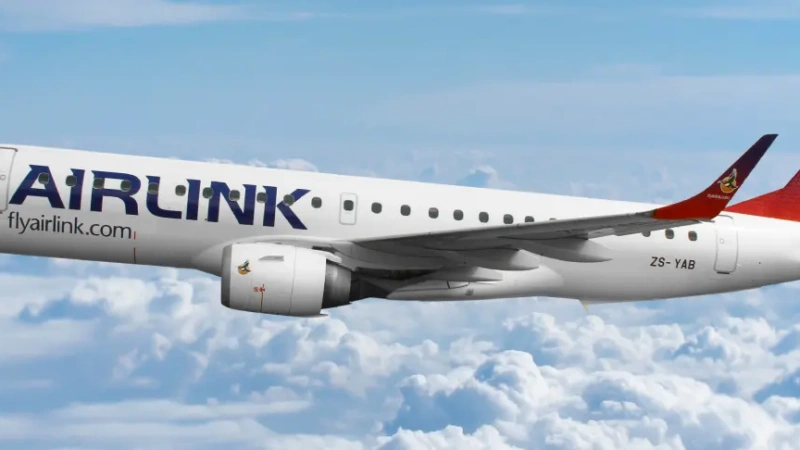
United Nigeria Airlines Expands Fleet Versatility with Addition of Wetleased Embraer E190

United Nigeria Airlines has taken a decisive step to bolster its operational capabilities by incorporating a wetleased Embraer E190 from WINDROSE airlines (ТОВ Авіаційна компанія “РОЗА ВІТРІВ”) into its fleet. This recent acquisition signals a significant evolution in the carrier’s growth strategy, responding to rising passenger demand and the need for enhanced flexibility in route planning. The arrival of the E190 brings the total number of leased aircraft to five, now sourced from three separate operators—marking a notable shift as the airline’s leased fleet has surpassed the size of its owned fleet for the first time.
This development comes at a pivotal moment for African aviation, as regional carriers strive to adapt to shifting market dynamics and intensifying competition. By integrating the Embraer E190, United Nigeria Airlines is not only expanding its capacity but also broadening the range of aircraft types in service. The airline now operates four distinct models: the nimble E145, the newly arrived E190, Airbus A320s, and the CRJ900. This diverse mix enables United Nigeria Airlines to better match aircraft to route needs, optimize scheduling, and deliver an improved travel experience for customers across domestic and regional markets.
Leasing aircraft, especially under wetlease agreements, has become a strategic imperative for many African carriers seeking to remain agile in a rapidly fluctuating environment. Wetleases allow airlines to deploy additional capacity with minimal delay, complete with crew, maintenance, and insurance provided by the lessor. For United Nigeria Airlines, this approach supports seamless scale-up during peak travel seasons, minimizes operational risk, and ensures continuity even when facing unforeseen challenges such as technical disruptions or regulatory changes. The partnership with WINDROSE airlines, a well-established ACMI provider, is a testament to the importance of fostering reliable international collaborations to sustain growth and resilience.
With the Embraer E190 now in operation, United Nigeria Airlines is positioned to serve a wider array of routes and frequency patterns. The E190’s unique blend of range, seating capacity, and operational efficiency makes it ideal for both high-density trunk routes and thinner secondary markets, offering the flexibility to pivot as demand dictates. This versatility is especially vital as consumer preferences evolve and as the African aviation sector recovers from recent global disruptions, requiring carriers to swiftly adapt their fleets to capitalize on new opportunities and changing market dynamics.
The airline’s move to operate a majority-leased fleet reflects a broader trend across the continent, as airlines increasingly prioritize asset-light models to enhance financial stability and respond to short- and medium-term market shifts. This strategy reduces the burden of large capital expenditures while maintaining the option to adjust fleet size and composition in line with operational realities. For United Nigeria Airlines, the ability to tap into a wider pool of aircraft types through leasing arrangements also means more flexibility to pursue charter contracts, explore new city-pairings, and quickly respond to shifts in passenger demand driven by economic or regulatory developments.
As United Nigeria Airlines continues to build its network and reputation, the expansion of its leased fleet sends a clear signal of ambition and confidence in the future of regional aviation. The addition of the Embraer E190 is likely to have ripple effects throughout the Nigerian and wider West African market, nudging competitors to consider similar strategies in fleet modernization and capacity planning. For African aviation professionals, the development underscores the importance of flexible fleet structures, robust wetlease partnerships, and a willingness to innovate in response to market volatility.
Looking ahead, the operational agility conferred by this fleet expansion places United Nigeria Airlines in a strong position to capture emerging demand, introduce new routes, and elevate the customer experience. The airline’s investment in a diverse, modern fleet aligns with the continent’s broader trajectory toward increased connectivity, improved service standards, and sustainable growth. As other African carriers observe this evolving model, the move may well serve as a catalyst for further innovation and collaboration, fostering a more dynamic and competitive regional aviation landscape in the years to come.
Originally Published at travelnews.africa