TAZARA Restarts Cross-Border Rail Between Tanzania and Zambia After Eight Months
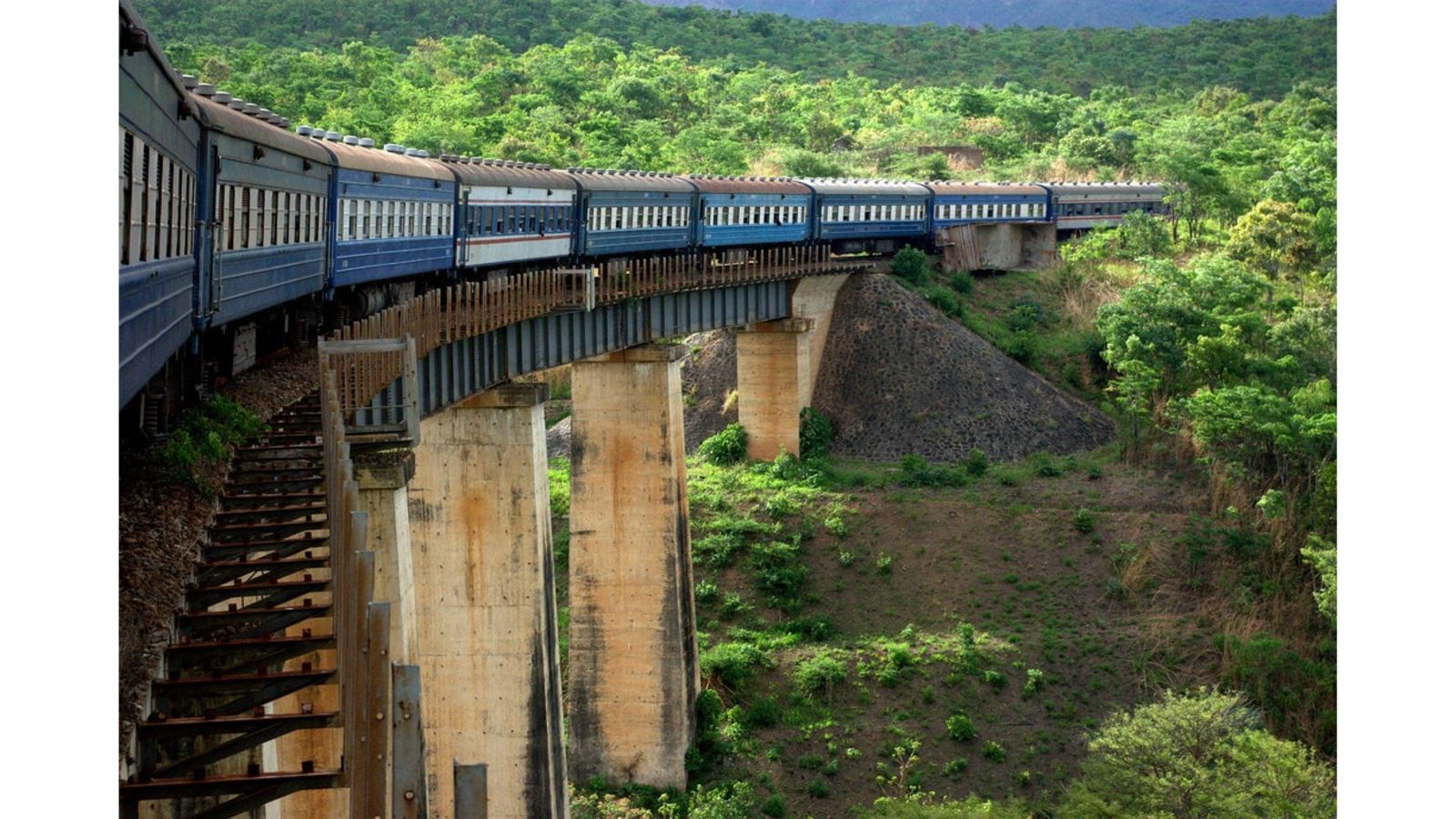
One of Southern and East Africa’s most historically significant transport links is back in action. The Tanzania Zambia Railway Authority, universally known as TAZARA, has resumed cross-border passenger train services between the two countries after an eight-month suspension. The first trains began running again on 10 February 2026, restoring a connection that stretches nearly 1,860 kilometres from Dar es Salaam on Tanzania’s Indian Ocean coast to New Kapiri Mposhi in Zambia’s Central Province.
The railway had halted its long-distance international services in June 2024 due to what the authority described as technical challenges. Behind that understated language lies a reality familiar to many African rail operators — an ageing fleet, heavy maintenance demands and limited resources to keep locomotives and coaches in reliable working order. Rather than continuing to run a schedule it could not sustain, TAZARA chose to pause, reorganise and come back with a more honest and manageable service plan.
That reorganisation is now visible in the revised timetable. The flagship Mukuba service, which covers the full cross-border route between New Kapiri Mposhi and Dar es Salaam, has been reduced from two departures per week to one in each direction. Trains leave New Kapiri Mposhi every Tuesday and Dar es Salaam every Friday. The service operates as a limited-stop express on the New Kapiri Mposhi to Kasama and Nakonde to Msolwa sections, switching to an all-stations pattern elsewhere. This hybrid approach reflects a practical reality — in sections where no parallel road infrastructure exists, the train remains the only reliable means of transport for local communities, and skipping those stations is simply not an option.
Alongside the Mukuba, TAZARA has also brought back the Udzungwa local shuttle, which resumed on 12 February after its own suspension in October 2025. This service runs twice weekly between Kidatu and Makambako, serving passengers in the Morogoro and Njombe regions of Tanzania where demand remains consistently high.
By reducing the number of trains, TAZARA has been able to consolidate its available coaches and locomotives onto fewer services, improving the chances of each departure actually running as scheduled. It is a strategy born of necessity rather than choice, but it reflects a mature and transparent approach to managing constrained resources — something that deserves recognition in an industry where operators sometimes promise more than they can deliver.
For travel professionals across sub-Saharan Africa, the TAZARA revival is relevant on multiple levels. The railway has long held a special place in the imagination of adventure travellers, overlanders and rail enthusiasts. Built in the 1970s with Chinese funding and engineering support, the line was originally conceived as a strategic trade route giving landlocked Zambia access to the port of Dar es Salaam. Over the decades it has become much more than that — a lifeline for communities along its path, a corridor for cross-border trade and a genuinely unique travel experience through some of East and Southern Africa’s most spectacular and remote landscapes.
Tour operators who include rail journeys in their Southern and East African itineraries should take note of the new schedule and manage client expectations carefully. With only one cross-border departure per week in each direction, timing becomes critical. Itineraries that incorporate the Mukuba service need to be built around the Tuesday and Friday departures, and clients should be advised that while the experience is memorable, comfort levels and punctuality may not match what they are accustomed to on more developed rail networks.
TAZARA itself has framed the relaunch as part of a broader transformation and revitalisation agenda, reaffirming its founding mandate to promote regional mobility, trade, tourism and people-to-people connection. The authority has spoken openly about phased rehabilitation programmes for its rolling stock and infrastructure, suggesting that further improvements may follow as resources allow.
In an era when African aviation grabs most of the transport headlines, the quiet return of a cross-border passenger railway is a welcome reminder that connectivity comes in many forms — and that for millions of people living along the TAZARA corridor, the train remains irreplaceable.
Originally Published at travelnews.africa