Kazungula Border Post Now Open Round the Clock for Passengers and Freight
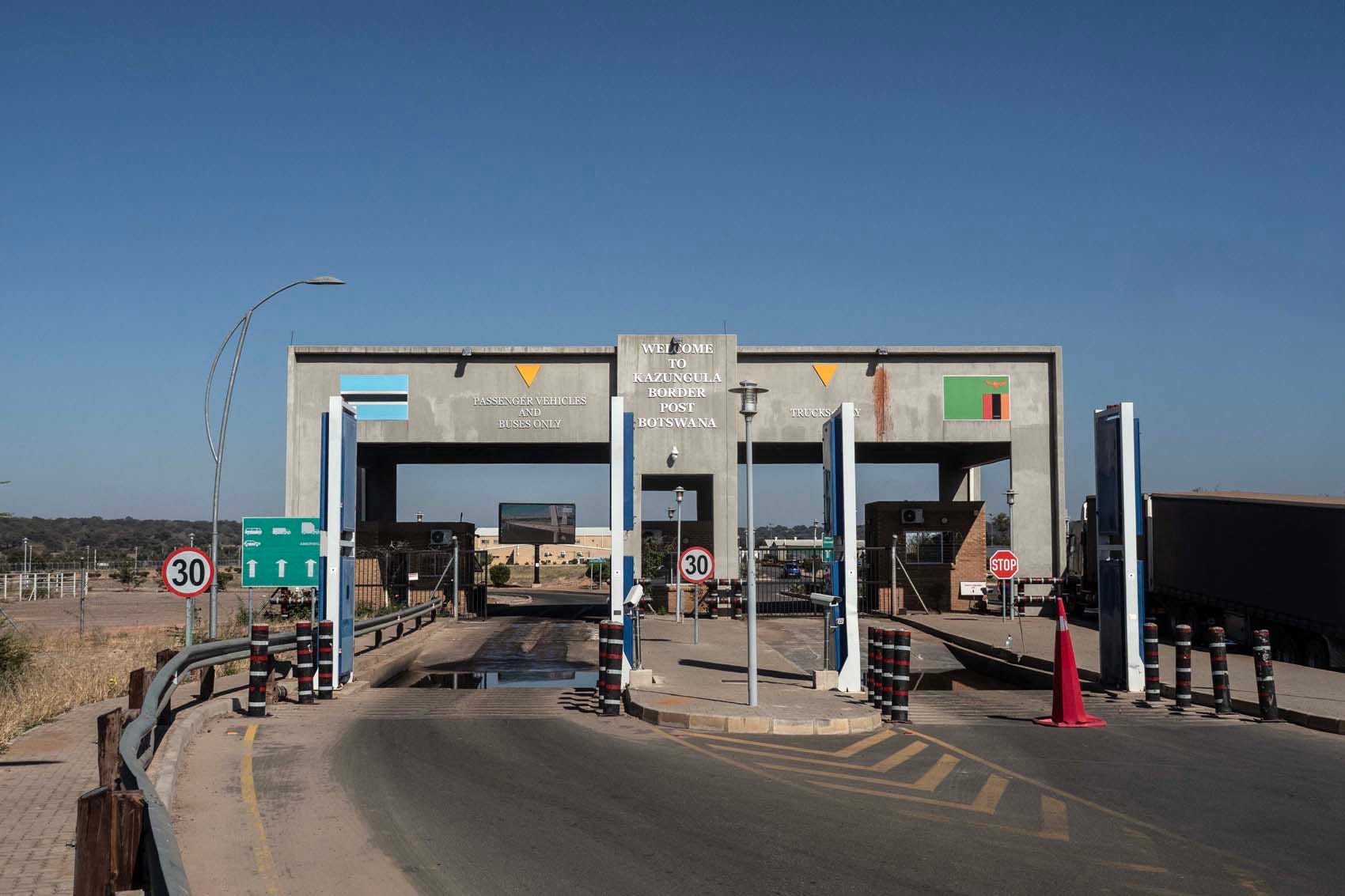
A game-changing announcement for Southern African cross-border travel came out of the Zambezi River corridor this week. The Kazungula One Stop Border Post, linking Botswana and Zambia, now operates 24 hours a day for both passenger and commercial traffic. The confirmation was delivered by Botswana’s President Duma Boko at the joint launch of the Kazungula Bridge Authority on 24 February 2026, following direct discussions with Zambian President Hakainde Hichilema.
For anyone in the African travel trade who sells safari circuits, self-drive adventures or multi-country itineraries through the heart of Southern Africa, this is news that changes the way you plan and sell. The Kazungula crossing sits at one of the most strategically important points on the subcontinent — where the borders of Botswana, Zambia, Zimbabwe and Namibia converge near the confluence of the Chobe and Zambezi rivers. It connects some of the region’s most sought-after tourism destinations, including Chobe National Park, Victoria Falls, Livingstone and the vast Kavango-Zambezi Transfrontier Conservation Area, one of the world’s largest conservation landscapes.
Until now, border operating hours placed real constraints on itinerary planning. Tour operators and self-drive travellers had to carefully time their crossings to avoid arriving outside opening hours or getting caught in long queues during peak periods. The previous ferry system, which the bridge replaced, was even more limiting — often plagued by congestion, breakdowns and weather-related delays that could leave vehicles waiting for days. The bridge itself, a 259 million US dollar infrastructure project jointly funded by Botswana and Zambia, transformed the physical crossing when it opened. But the restriction on operating hours meant that its full potential was never quite realised — until now.
The One Stop Border Post concept is central to what makes this crossing so efficient. Rather than stopping twice — once to exit one country and again to enter the next — travellers complete all immigration and customs formalities in a single consolidated process housed within one facility. Officials from both Botswana and Zambia work side by side, checking documents, processing vehicle paperwork and clearing goods in one go. This dramatically cuts the time spent at the border compared to traditional dual-stop systems. Adding round-the-clock operations on top of that integrated model creates what is arguably the smoothest cross-border experience anywhere in Southern Africa.
The practical benefits for the travel trade are immediate and wide-ranging. Safari operators running circuits between Chobe and Livingstone can now schedule transfers at times that suit their clients rather than being dictated to by border closing times. Overlanders and convoy groups travelling long distances across multiple countries gain the flexibility to cross at quieter hours, avoiding the midday rush that has historically caused frustration at busy land borders. Families on self-drive holidays — an increasingly popular segment in the Southern African market — can build more realistic and safer schedules into their travel days without the pressure of racing to reach the border before it shuts.
The freight sector stands to benefit enormously as well. The Kazungula Bridge sits on the North-South Corridor, one of Africa’s most important trade arteries linking the Democratic Republic of Congo, Tanzania and Zambia with South Africa, Namibia and Botswana. Continuous border operations will help reduce the long truck queues that have historically built up at this crossing, easing congestion and improving the flow of goods across the region.
The newly established Kazungula Bridge Authority, jointly owned by Botswana and Zambia and funded through toll fees, will oversee operations and maintenance of the bridge and border infrastructure going forward. Its formal launch this week signals that both governments are committed to the long-term success of the crossing as a regional transport asset.
For travel professionals packaging Southern African experiences, the message is straightforward. The Kazungula crossing has just become significantly more flexible, more reliable and more client-friendly. Those who adjust their itineraries and client briefings to reflect this change will be able to offer smoother, better-timed journeys through one of the most spectacular wildlife and adventure corridors on the planet.
Originally Published at travelnews.africa