Kenya Government Strengthens Control Over National Carrier Ahead of Major Investment Deal
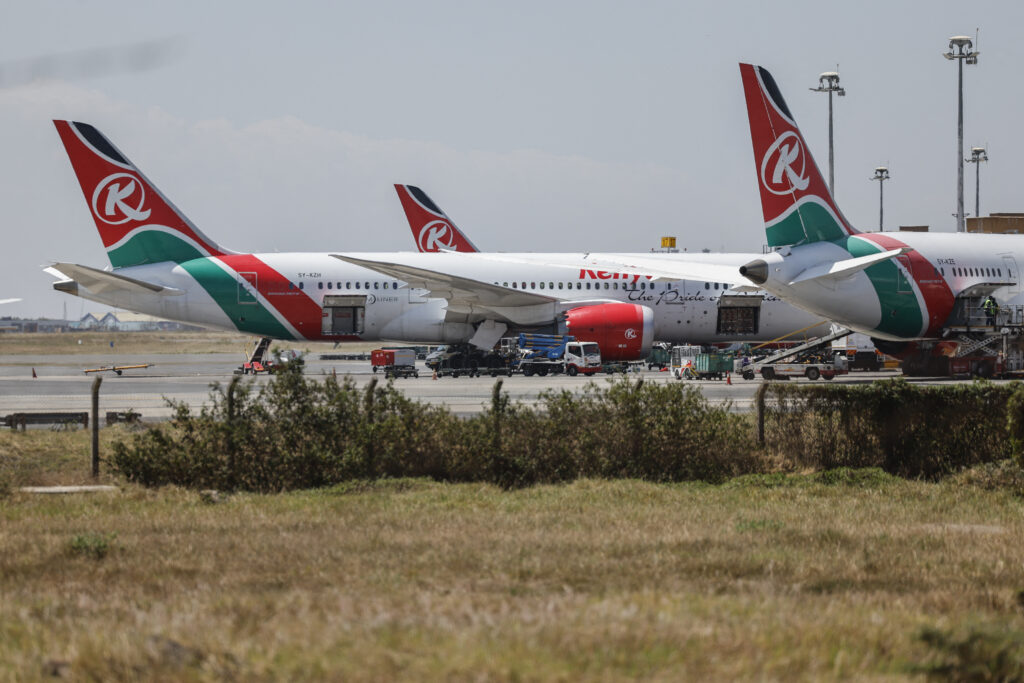
The Kenyan government has increased its shareholding in Kenya Airways to 50.1 percent, a move that consolidates state control over the national carrier as authorities actively pursue a strategic investor to support the airline’s long-term recovery. This adjustment follows the conclusion of the employee share ownership programme, which saw staff exit their positions in the company’s equity structure.
This development marks another significant step in the ongoing efforts to stabilise Kenya Airways, an airline that has faced considerable financial turbulence over recent years. For travel professionals across Africa, particularly those routing clients through Nairobi’s Jomo Kenyatta International Airport, understanding these ownership changes provides valuable insight into the carrier’s future direction and operational stability.
The decision to raise the government’s stake reflects a deliberate strategy to present a clearer ownership structure to potential investors. By holding a majority position, Nairobi demonstrates its commitment to the airline while also simplifying negotiations with parties interested in acquiring a meaningful share of the business. A straightforward ownership framework often proves attractive to investors who prefer dealing with a single dominant shareholder rather than navigating complex multi-party arrangements.
Kenya Airways occupies a crucial position within Africa’s aviation network. As a member of the SkyTeam alliance, the carrier offers connectivity that links the continent to destinations across Europe, Asia, and beyond. Its hub status in East Africa makes it a preferred choice for many travel businesses arranging itineraries that include multiple African destinations. Any changes to the airline’s financial health or operational capacity therefore carry implications that extend well beyond Kenya’s borders.
The search for a strategic investor has been a recurring theme in discussions about the carrier’s future. Various options have been explored over the years, including potential partnerships with other airlines and private equity involvement. The government’s increased stake may now provide the foundation needed to attract serious interest from parties capable of injecting capital and expertise into the business.
For African travel trade professionals, this situation warrants careful monitoring. An airline undergoing restructuring can present both challenges and opportunities. On one hand, uncertainty about future operations may prompt some clients to seek alternative routing options. On the other hand, successful restructuring often leads to improved service quality, expanded route networks, and more competitive pricing as the carrier seeks to rebuild market share.
The broader context of African aviation adds another dimension to this story. Across the continent, national carriers face similar pressures as they compete with international airlines and navigate economic headwinds. How Kenya manages the transformation of its flag carrier could offer lessons for other nations grappling with comparable challenges in their own aviation sectors.
Travel professionals should also consider how potential investors might reshape Kenya Airways’ strategy. A partner with strong connections to Asian or Middle Eastern markets, for example, could open new traffic flows that benefit agents specialising in those regions. Similarly, an investor focused on cargo operations might enhance the carrier’s freight capabilities, creating opportunities for businesses involved in logistics and trade facilitation.
As negotiations progress and potential partners emerge, the coming months will likely bring clarity about Kenya Airways’ strategic direction. For now, the government’s strengthened position signals its determination to see the restructuring process through to completion. Travel industry stakeholders across Africa would do well to stay informed about these developments, as the outcomes will inevitably influence routing decisions, partnership opportunities, and the competitive landscape of East African aviation for years to come.
Originally Published at travelnews.africa