ValueJet Bets Big on Boeing 737s to Unlock New West and Central African Routes
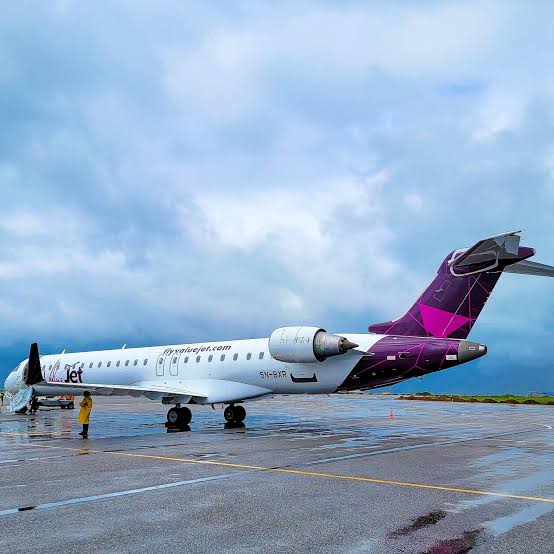
Nigeria’s dynamic aviation sector is set for another exciting shake-up as low-cost carrier ValueJet prepares to introduce Boeing 737 aircraft into its fleet, marking a bold departure from its current all-Bombardier CRJ operation. The move signals a major turning point for the young airline, which has quickly earned a reputation for reliability and value-driven pricing since launching commercial services with its regional jet fleet. For sub-Saharan Africa’s travel trade, this development opens fresh opportunities to reshape West and Central African travel packages, with wider capacity and new route options soon to become available.
The airline confirmed that the arrival of the Boeing 737 will represent the next phase in its evolution, following its early years of operations built entirely around the Bombardier CRJ platform. The larger, longer-range Boeing aircraft will allow ValueJet to carry more passengers, transport greater volumes of cargo, fly longer distances, and extend its footprint across the African continent. This is a critical shift, as the CRJ family, while efficient for short domestic routes, has clear range and capacity limits that constrain international ambition.
ValueJet’s expansion strategy points firmly toward regional integration. Planned new services are expected to include Abidjan in Côte d’Ivoire, Libreville in Gabon, and Douala in Cameroon, opening up important commercial gateways in West and Central Africa. Beyond these initial launches, the airline has signalled interest in reaching further afield, with destinations in Kenya and South Africa also on its expansion radar. If executed successfully, these routes would firmly position ValueJet as a genuine pan-African player rather than a purely domestic Nigerian carrier.
The strategic timing of the Boeing acquisition is significant. Nigeria’s aviation market has been experiencing steady growth in both passenger volumes and route demand, driven by rising middle-class travel appetite, deepening regional trade ties, and the gradual implementation of the Single African Air Transport Market (SAATM). By upsizing to Boeing 737 aircraft, ValueJet is positioning itself to capture a larger share of both leisure and business travel demand, while also targeting the fast-growing intra-African cargo segment.
Behind the scenes, preparations for the fleet transition are already well underway. ValueJet’s maintenance engineers and technical teams have been undergoing specialised training to ensure a smooth induction of the new aircraft type, reflecting the operational complexity involved in integrating a widely different aircraft platform into an existing fleet. For African aviation observers, this attention to technical readiness is encouraging, as it points to a carrier taking growth seriously and preparing to sustain long-term expansion rather than pursuing headline-grabbing announcements alone.
For travel professionals across the continent, the ripple effects of this fleet upgrade are worth watching closely. The addition of larger aircraft opens up more competitive fares on already-served routes, while new destinations create fresh opportunities for multi-country itineraries. Corporate travel specialists servicing oil and gas clients across Gabon, Cameroon, and Nigeria will find new options for their travellers, while leisure agents can begin developing creative West African packages combining beach escapes, cultural tours, and emerging city breaks.
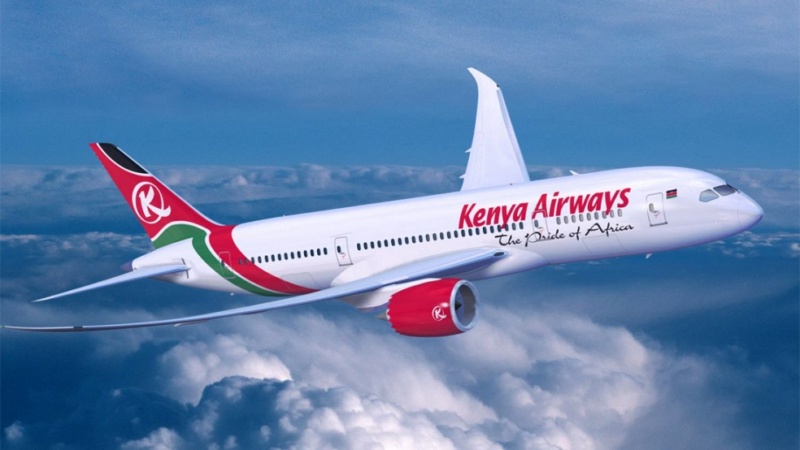
The ValueJet expansion also reflects a broader continental trend. Nigerian carriers are increasingly waking up to the enormous potential of intra-African connectivity, an area long dominated by a handful of legacy players such as Ethiopian Airlines, Kenya Airways, and RwandAir. With United Nigeria Airlines also recently adding Boeing 737-800 aircraft to its fleet, competition among Nigeria’s private carriers is intensifying in ways that should ultimately benefit passengers and the travel trade alike.
As Africa’s skies grow busier and more competitive, the emergence of nimble, ambitious carriers such as ValueJet is a genuinely positive story for the continent’s travel industry. For agents and tour operators, now is the time to establish early relationships with the airline, monitor its route launch schedule, and prepare marketing strategies that capitalise on the improved connectivity soon to come. The next chapter in African aviation is being written rapidly, and Nigeria is quickly emerging as one of its most exciting authors.
Originally Published at travelnews.africa