ASKY opens aviation careers to refugees in landmark UNHCR deal spanning six West African states
A new three-year agreement between the United Nations High Commissioner for Refugees (UNHCR) and pan-African carrier ASKY is set to open aviation training, jobs and supply-chain contracts to refugees across West and Central Africa, in a move the two partners hope will become a template for private-sector engagement on the continent.
The partnership initially covers Senegal, Ghana, Benin, Togo, Nigeria and Côte d’Ivoire, pairing ASKY’s regional network and technical expertise with UNHCR’s protection mandate. Its purpose is practical rather than symbolic: creating genuine pathways into the labour market for people whose displacement has stretched on for years.
The scale of need is considerable. As of September 2026, the region hosted more than four million refugees and asylum-seekers, with women and children making up roughly 80 per cent of that population. Almost 751,000 individuals were identified as having specific protection needs, including women and children at risk and persons with disabilities. Those figures explain why the programme places deliberate emphasis on women and girls, who routinely face steeper barriers to education, skills training and decent work.
The first phase concentrates on technical and vocational training, scholarships, internships and employment within aviation itself. ASKY will consider qualified refugees for opportunities across its existing training programmes, internship schemes and recruitment processes, subject to its normal standards. Beyond employment, the airline will assess how refugee-owned enterprises might enter its supply chain, with particular attention to refugee-led artisan businesses. Later stages are expected to explore entrepreneurship support and agricultural value chains.
Lomé, Togo, where ASKY is headquartered, is under discussion as a training hub. Other elements of the programme will work to expand livelihood opportunities in Ghana, link refugee businesses to markets in Senegal, and support family reunification and voluntary return movements, particularly in Côte d’Ivoire. Humanitarian transport arrangements may also form part of the eventual agreement.
Abdouraouf Gnon Konde, UNHCR Regional Director for West and Central Africa, framed the issue in terms of dignity. “When displacement lasts for years, access to skills, markets and decent work is essential to restoring choice and dignity,” he said. UNHCR’s stated ambition is to help half of all refugees in protracted situations across the region move from aid dependency towards self-reliance by 2035. Konde argued that working with African businesses such as ASKY turns that ambition into concrete opportunity, especially for women and young people, while also strengthening host communities and economies.
ASKY Chief Executive Officer Esayas W. Hailu positioned the deal within the airline’s wider development role. “As a pan-African airline, we see a direct link between our business and Africa’s development,” he said, noting that refugees are already part of the communities the carrier serves. “Through this partnership, we want to connect their talent and enterprise with opportunities in aviation and encourage other African companies to integrate refugee inclusion into the way they do business.”
That invitation to other operators is the part the travel trade should watch. This is UNHCR’s first partnership with a regional airline in West and Central Africa, and the first of its kind involving a regional carrier anywhere in sub-Saharan Africa. If it works, hotel groups, ground handlers, tour operators and destination management companies will face similar conversations about inclusive hiring and supplier diversity.
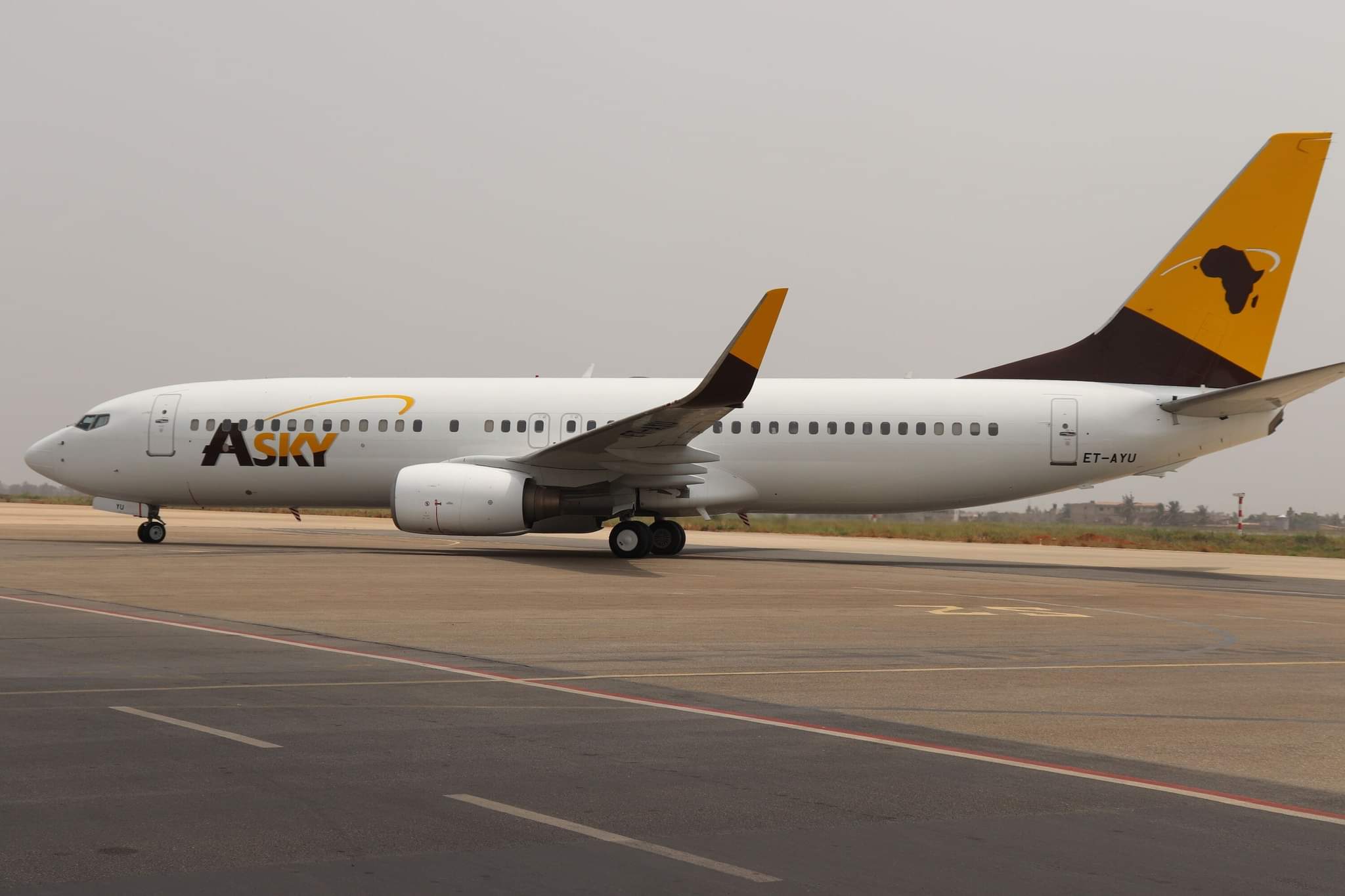
ASKY operates a 17-aircraft fleet serving 30 cities across 28 African countries, with shareholders including the ECOWAS Bank for Investment and Development, the West African Development Bank, Ecobank Group, Ethiopian Airlines and the Government of Togo. Intra-African connectivity and tourism growth already sit among its stated priorities.
For an industry built on movement, there is a certain logic in an airline helping people who have been forced to move rebuild their working lives. The sector’s talent shortages are real, and this approach addresses them while answering a humanitarian need.
Originally Published at travelnews.africa