Zanzibar Seats to Jump 33% as Gulf Routes Surge and Hotel Rates Slide 18%
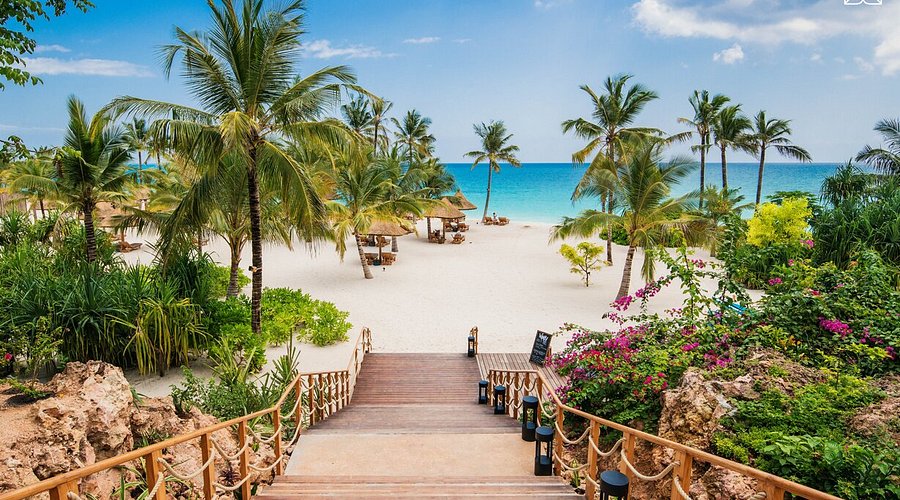
Zanzibar is heading into one of the most expansive periods in its aviation history, with available airline seats forecast to rise by 33% over the next six months. The figures, released by the African Travel and Tourism Association (ATTA®) during the Essence of Africa buyer forum on the island, paint a picture of a destination whose commercial foundations are shifting quickly beneath the familiar image of white sand and dhow sails.
The groundwork is already visible. Inbound air capacity grew 11% between October 2025 and October 2026, with long-haul seats climbing a striking 26%. What comes next is sharper still. Domestic capacity is projected to rise 36% year-on-year, international capacity 31%, while forward bookings through global distribution systems for travel to March 2027 are up 10%. Airlines rarely commit metal to a route on sentiment, so these numbers represent hard commercial confidence.
The map of where visitors originate is being redrawn. Gulf connectivity is surging, with the United Arab Emirates, already Zanzibar’s fourth-largest market by seats, set for a 57% capacity increase. Qatar grows 17%, and Oman more than doubles at 108%. For African operators, this matters practically: Gulf hubs are increasingly the natural stopover for Asian and Middle Eastern clients, and the islands are now firmly inside that network.
Europe has not faded. Forward GDS bookings from the United Kingdom jumped 51%, with Germany up 14% and France 8%. Russia has emerged as a genuine force following the launch of direct Moscow services in July 2026, with bookings through March 2027 up 98% and Zanzibar’s share of Russian outbound searches climbing roughly eight percentage points.
Yet the accommodation picture complicates the celebration. Weighted average room rates advertised through online travel agencies fell around 18% year-on-year across every hotel category in the twelve months to October 2026. More seats, cheaper beds. The likely culprit is supply competition as international hotel brands plant flags on the island faster than demand can absorb them. Current online inventory sits heavily in the midscale bracket, with 3-star properties at 57%, 4-star at 28% and 5-star at 15%.
For consultants, falling rates are a double-edged instrument. They make Zanzibar unusually affordable to sell right now, particularly for African clients who have historically found the island priced beyond comfortable reach. They also compress operator margins and raise questions about whether quality investment can be sustained at those price points.
The experiential profile is broadening in ways worth building product around. Beach experiences still lead visitor interest at 23% of tourism-related social mentions, but active lifestyle experiences now account for 19% and arts and culture 16%, with family activities, wellness and gastronomy all gaining ground. Couples remain the dominant segment at 46% of reviewers, while alternative accommodation including apartments, hostels and homestays is quietly eroding the 70% share held by hotels and resorts. Independent, flexible travel is finding its feet here.
Reputation remains a genuine asset. Zanzibar scores 86 out of 100 on the Global Tourist Perception Index, with security at 95 and climate at 90. The softer numbers tell the real story: a Tourism Product Index of 65 and Hospitality Satisfaction of 74, with 3-star properties at 69 against 77 for five-star stock.
ATTA® chief executive Virginia Messina framed the challenge directly, noting that growth in seats and bookings must translate into sustainable commercial returns, investment in the visitor experience and benefits for local communities. Her point about encouraging visitors to stay longer, explore more and spend more widely within the local economy is the one African agencies should hold onto.
The opportunity is clear enough. Sell Zanzibar now while access is widening and pricing is soft, but sell it beyond the beach, where margins and meaning both run deeper.
Originally Published at travelnews.africa