Namibia Revamps National Park Fees to Boost Conservation Funding from April 2026
Starting 01 April 2026, Namibia will implement a significant revision to its national park entrance and conservation fee structure, marking the first major update since 2021. This adjustment, announced by the Ministry of Environment, Forestry and Tourism (MEFT), primarily targets international visitors outside Namibia and the Southern African Development Community (SADC), reflecting a strategic move to enhance funding for conservation and park management.
The revised fee schedule introduces notable increases, especially in Namibia’s flagship and premium parks, aligning the country’s charges more closely with those of neighbouring Southern African destinations. This harmonization aims to sustain the long-term protection of Namibia’s vast and diverse protected areas, which are critical both for biodiversity and tourism appeal.
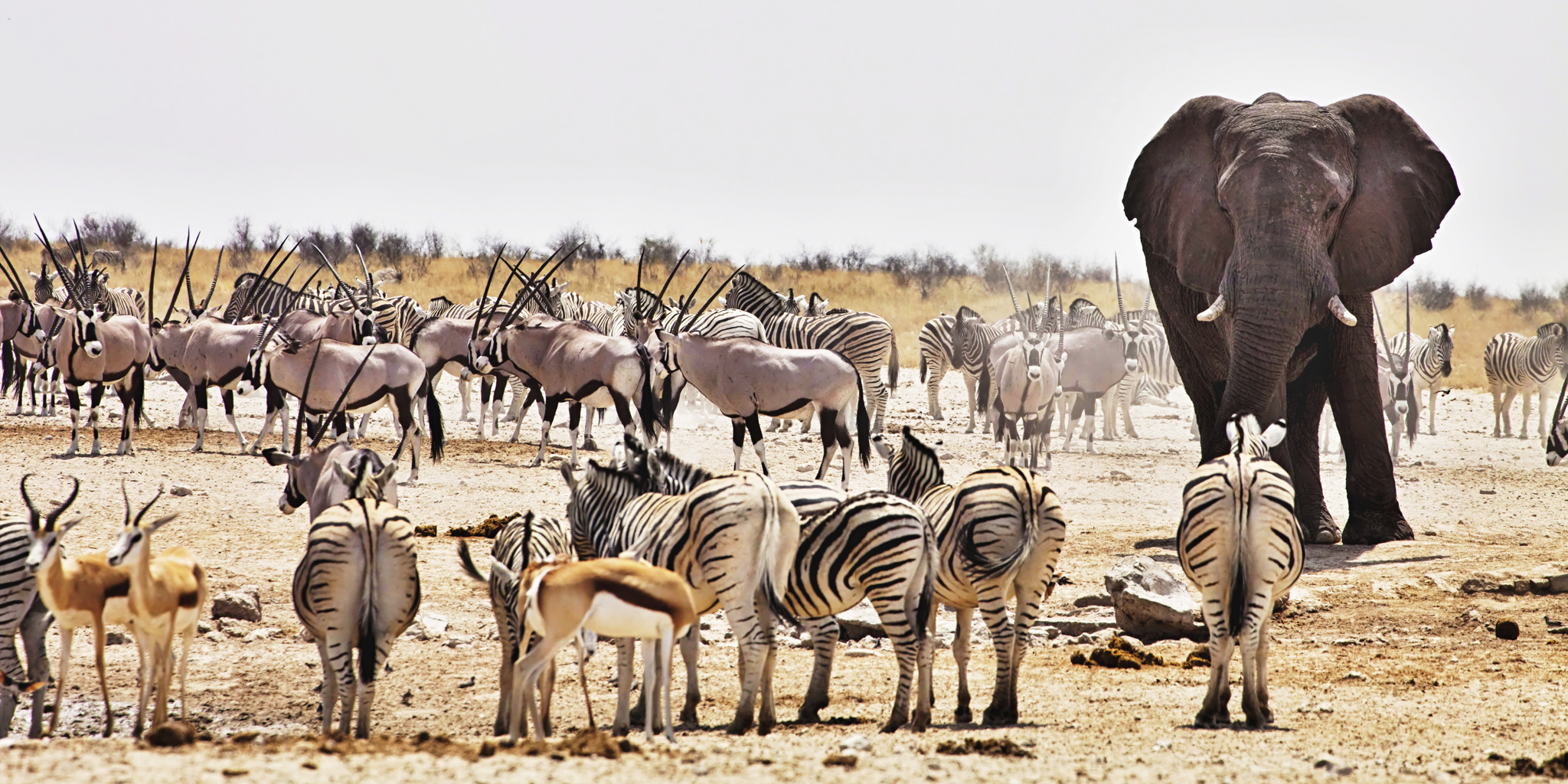
For premium national parks such as Etosha National Park, Ai-/Ais Game Park, Namib-Naukluft National Park (excluding Sandwich Harbour), Skeleton Coast National Park, Cape Cross Seal Reserve, Dorob National Park, Tsau //Khaeb (Sperrgebiet) National Park, and Waterberg Plateau Park, the daily entrance fee for international adult visitors will rise sharply from N\$150 to N\$280 per person. This fee includes both the park entrance and a conservation levy, reflecting the increased costs of maintaining these iconic destinations.
Namibian citizens will continue to benefit from significantly lower fees, paying N\$60 per day (N\$30 entrance plus N\$30 conservation), while SADC nationals will be charged N\$180 daily. Children aged 9 to 15 will pay reduced rates, with Namibian children entering free of charge, and vehicle fees will remain consistent with the current structure, ranging from N\$60 for small vehicles to N\$1,000 for large buses.
To illustrate, a typical visit to Etosha National Park for two international adults in a standard vehicle will see costs increase from N\$350 to N\$620 per day, underscoring the scale of the adjustment.
Meanwhile, fees at standard national parks and smaller reserves will also double. Parks such as Bwabwata, Mudumu, Khaudum, Nkasa Rupara, Mangetti, Popa Falls, Daan Viljoen, Hardap, Naute, Von Bach, and South West Nature Reserve will see international adult fees rise from N\$100 to N\$200 per day. Namibians will pay N\$40, and SADC nationals N\$130, maintaining the tiered pricing system that supports regional visitors.
Vehicle fees for these parks will mirror those of the premium parks, ensuring consistency across the board. Notably, Sandwich Harbour, although part of Namib-Naukluft National Park, will be exempt from these increases due to its designation as a concession area, with access regulated through licensed tour operators rather than standard park fees.
This fee revision comes after a five-year interval since the last increase in 2021, during which Namibia’s park fees remained among the lowest in the SADC region. The new structure is designed not only to keep pace with regional standards but also to address funding shortfalls critical for wildlife conservation, infrastructure upkeep, and enhanced visitor experiences.
For Africa’s tourism industry, particularly those engaged in outbound travel facilitation, these changes signal a shift towards more sustainable tourism financing in Namibia. The increased fees reflect a broader trend across the continent where conservation funding is becoming a priority amid growing environmental pressures and rising visitor numbers.
Travel professionals should prepare to advise clients accordingly, highlighting the enhanced value that comes with these fees—namely, improved park facilities, better wildlife protection, and a more sustainable tourism model that benefits local communities and ecosystems alike.
As Namibia continues to position itself as a premier safari destination, these adjustments underscore the importance of balancing accessibility with responsible stewardship. The revised fee structure is a clear message that conservation and quality visitor experiences go hand in hand, offering long-term benefits for both the environment and the tourism sector.
Originally Published at travelnews.africa