New Airline Project Takes Shape in South Sudan With ATR 72 Fleet Plans
A fresh aviation venture is emerging in one of Africa’s youngest nations, with Juba-based startup FlyGirma working towards a commercial launch in the second half of 2026. The project is being driven by a local entrepreneur with a background in the construction sector, who is now channelling business experience and ambition into building a domestic airline for South Sudan, a country where reliable air connectivity remains one of the most pressing infrastructure challenges.
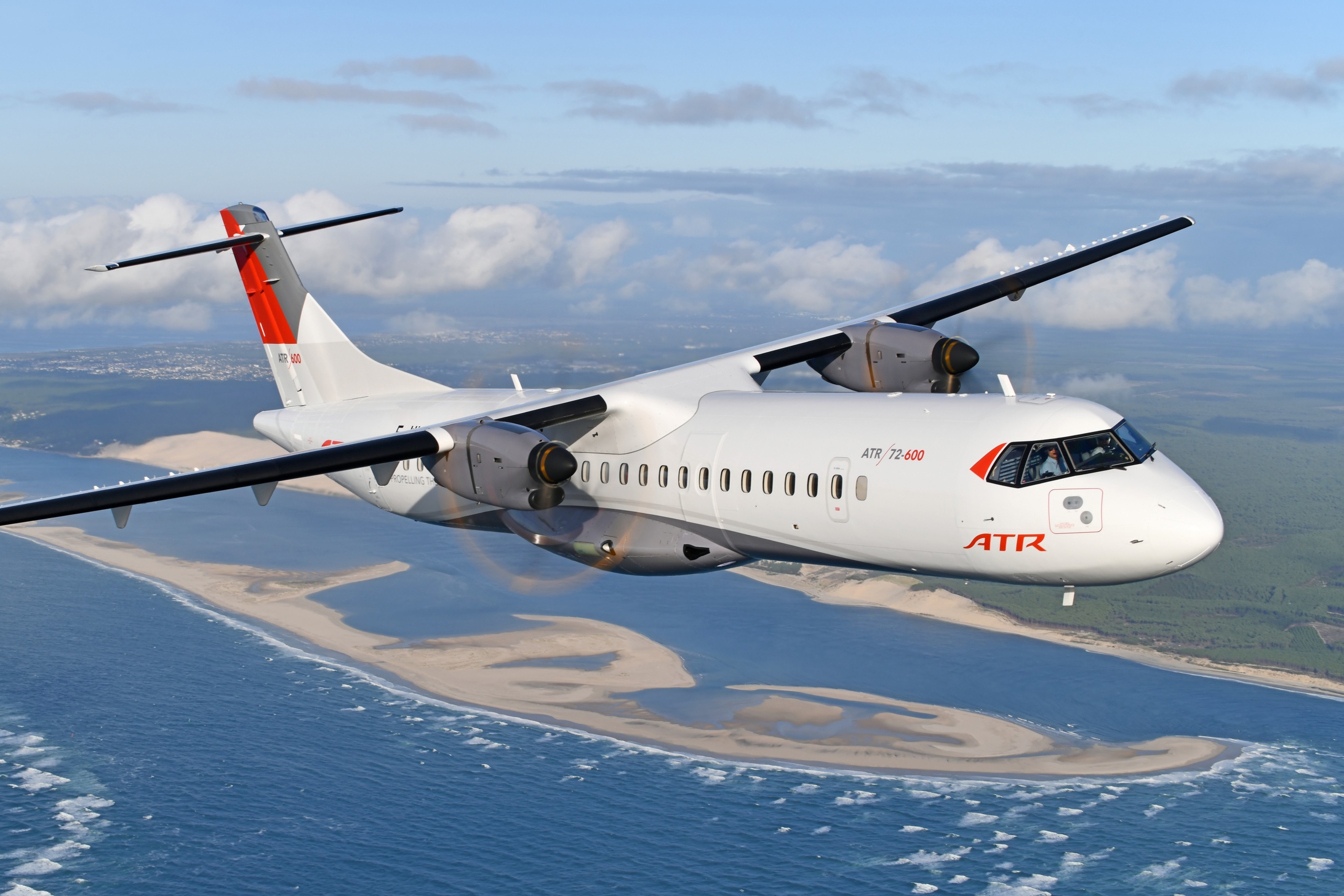
The planned fleet centres on the ATR 72, a twin-engine turboprop widely regarded as one of the most efficient and dependable regional aircraft operating across Africa today. With a seating capacity of up to 72 passengers and the ability to operate from shorter and less developed airstrips, the ATR 72 is a logical fit for a market like South Sudan, where paved runways are scarce and distances between major towns make road travel difficult, time-consuming, and at times unsafe.
Financing discussions are understood to be underway with a Kenyan banking group, a detail that underscores the growing role of East African financial institutions in supporting aviation development across the region. Securing aircraft funding is one of the most critical hurdles any airline startup must clear, and engagement with an established banking partner suggests the project has moved beyond the idea stage into more concrete commercial territory. However, until agreements are formally signed and aircraft delivered, the venture remains in its formative phase.
South Sudan’s aviation landscape has long been dominated by a handful of small operators and charter companies, many of them serving humanitarian organisations and the United Nations Mission in South Sudan (UNMISS) rather than the general travelling public. Scheduled domestic services connecting cities such as Juba, Wau, Malakal, and Bor have been inconsistent at best, leaving residents and business travellers with few dependable options. A new carrier offering regular flights on key domestic routes would fill a genuine gap in the market.
For African travel professionals, the emergence of FlyGirma is part of a broader pattern playing out across the continent. From Somalia to the Democratic Republic of the Congo, entrepreneurial ventures are stepping in where national carriers have either failed or never existed, attempting to build air services from the ground up in some of the most challenging operating environments imaginable. Not all of these projects will succeed, but those that manage to navigate the complexities of aircraft financing, regulatory approvals, and operational setup could unlock transformative connectivity for their home markets.
The regulatory pathway will be particularly important for FlyGirma. Obtaining an Air Operator Certificate (AOC) from the South Sudan Civil Aviation Authority requires meeting stringent safety, technical, and organisational standards. Building the necessary infrastructure around maintenance, crew training, ground handling, and ticketing systems takes time and significant investment. The airline’s founders will need to demonstrate to regulators, financiers, and future passengers alike that they can deliver safe and reliable operations from day one.
South Sudan holds considerable untapped potential beyond its well-documented challenges. The country’s vast wetlands, including the Sudd, one of the largest freshwater ecosystems in the world, its diverse wildlife populations, and its rich cultural tapestry offer raw ingredients for a future tourism industry that currently barely exists. Improved domestic air access would be a prerequisite for any serious tourism development, giving FlyGirma a role that extends beyond simple transportation.
Travel agents operating in East Africa and those handling corporate, NGO, or diaspora travel into South Sudan should monitor this venture as it progresses through the coming months. Early awareness of new route launches and booking channels could provide a competitive edge in a market where options have historically been extremely limited. The road from announcement to first flight is long and uncertain, but FlyGirma’s ambition reflects a determination within South Sudan’s private sector to build the connections the country so urgently needs.
Originally Published at travelnews.africa