Ghana to Break Ground on Bolgatanga Airport by End of 2026, Unlocking Northern Tourism Access
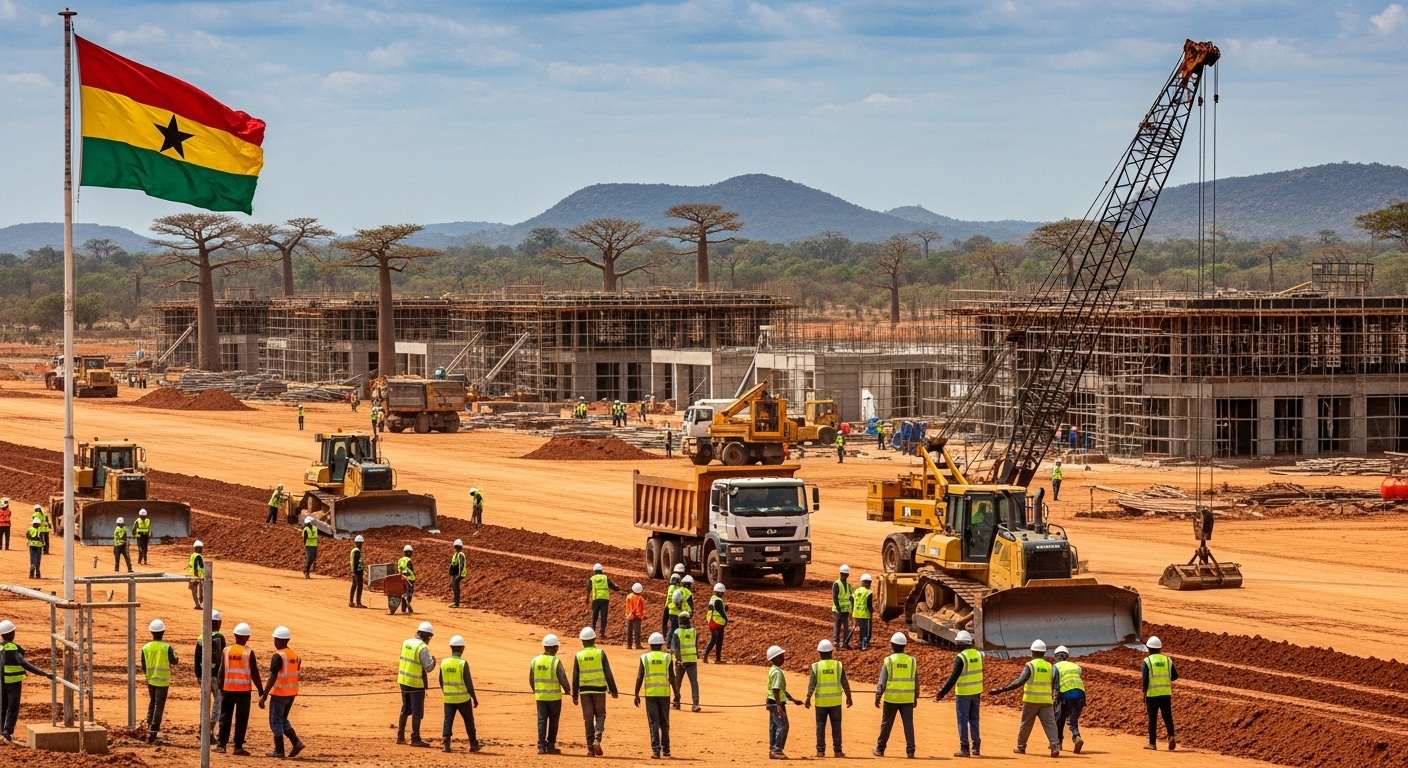
Ghana’s aviation landscape is on the brink of a transformative shift as President John Dramani Mahama confirmed that construction of the long-anticipated Bolgatanga Airport in the Upper East Region will begin before the end of 2026. The announcement was made during a site inspection tour on Thursday, August 13, 2026, and represents the strongest signal yet that a project two decades in the making is finally moving from paper to reality.
Speaking during the inspection, President Mahama indicated that the launch of construction activities will follow the completion of the ongoing procurement process. The development, championed by the Ghana Airports Company Limited (GACL), is expected to reshape regional connectivity in northern Ghana, a part of the country that has long relied on Tamale Airport, located roughly 148 kilometres from Bolgatanga, as its nearest air access point.
For travel professionals across sub-Saharan Africa, the timing is particularly noteworthy. Ghana has been steadily strengthening its aviation infrastructure, with the Prempeh Agyemang I International Airport in Kumasi reportedly nearing completion, its runway extension standing at about 90 percent. The parallel progress of these two projects signals a broader national ambition to decentralise air travel, reduce dependency on Accra’s Kotoka International Airport, and open up secondary cities to both domestic and cross-border traffic.
Bolgatanga, colloquially known as Bolga, sits close to Ghana’s northern border with Burkina Faso and serves as a natural gateway for trade and cultural exchange within the West African corridor. The town is well known for its vibrant handwoven Bolga baskets, its rich Gurune heritage and its proximity to game reserves and cultural sites that have long been underexplored by international visitors. With direct air access, tour operators will be able to design more efficient itineraries linking northern Ghana to Burkina Faso, Togo and the broader Sahel tourism circuit.
The project has not been without debate. Some aviation analysts have raised viability concerns, questioning passenger demand projections and the economic returns on such a substantial infrastructure investment in a region where commercial air traffic remains modest. However, proponents argue that the airport will function as a catalyst rather than a consequence of demand, stimulating tourism, agribusiness exports, investment inflows and emergency response capacity for a region that has historically been underserved.
For the wider African travel trade, the Bolgatanga Airport development fits within a growing continental trend of building secondary and regional airports to distribute economic opportunity beyond capital cities. Countries such as Rwanda, Ethiopia, Kenya and Nigeria have all invested in similar strategies in recent years, recognising that dispersed aviation nodes can activate previously overlooked tourism destinations, ease congestion at major hubs and expand access to cultural and eco-tourism experiences.
Tour operators, destination management companies and inbound agencies serving Ghana should begin factoring this development into their medium-term planning. Once operational, Bolgatanga Airport could open up itineraries featuring the Sirigu painted houses, the Paga crocodile ponds, the Tongo Hills and the vibrant markets of the Upper East Region, all currently reached via long road transfers from Tamale or Accra.
The Ghanaian government has framed the project not simply as an infrastructure exercise but as a nation-building initiative. By connecting the north more efficiently to the south and to the wider region, Bolgatanga Airport is expected to strengthen internal cohesion, support cross-border trade under the African Continental Free Trade Area (AfCFTA), and elevate Ghana’s positioning as a diversified travel destination.
For Africa’s travel sector, the message is unmistakable. As Ghana pushes forward with this ambitious project, opportunities will emerge for airlines, hoteliers, ground operators and cultural entrepreneurs ready to tap into a rapidly evolving northern gateway.
Originally Published at travelnews.africa