Airlink launches direct Lanseria–Harare flights, boosting Johannesburg’s northern connectivity
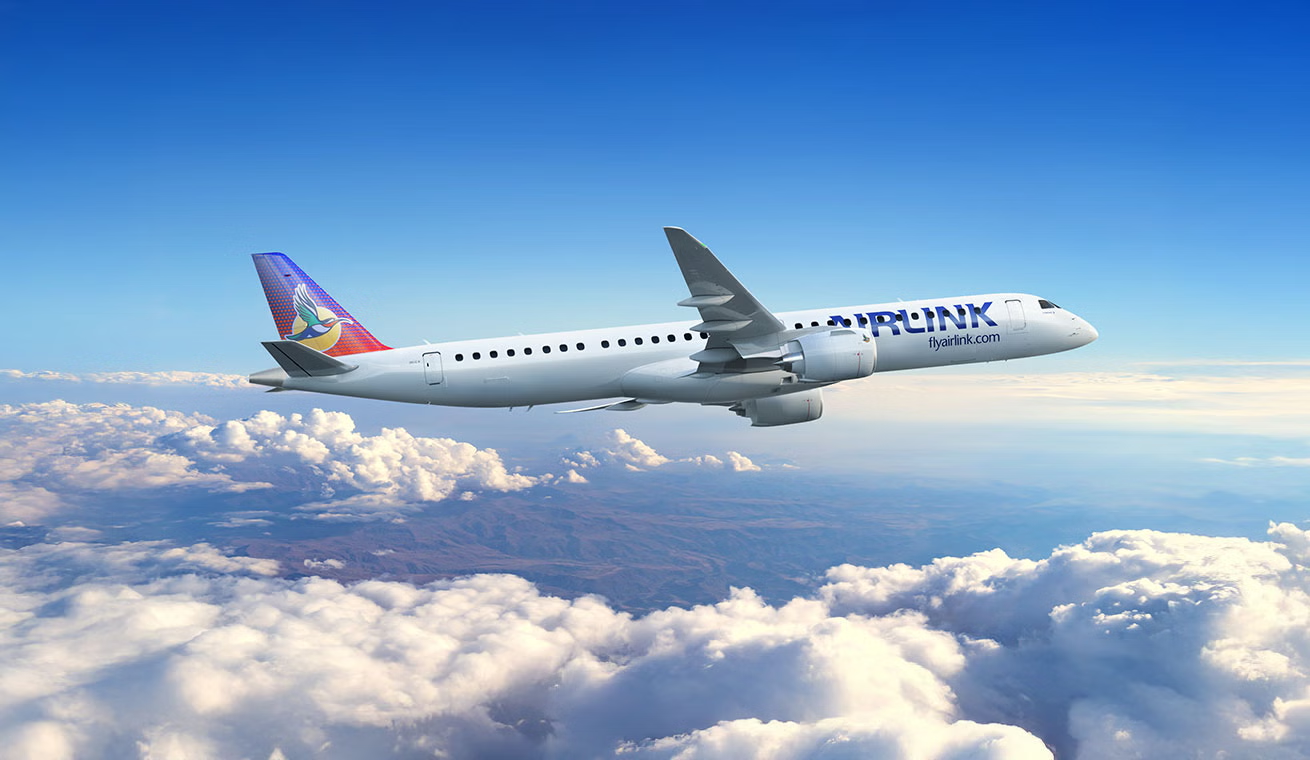
Lanseria International Airport has marked a major milestone with the launch of direct Airlink flights between Johannesburg (Lanseria) and Harare, Zimbabwe. The inaugural service was celebrated with ceremonial water salutes for both the first arrival from Harare and the first departure from Lanseria, underlining the significance of this new route for the airport and the region. The event, announced by Lanseria via its official social media channel, also coincided with a rare sun halo above the airport, adding a memorable touch to the occasion. This new connection opens a fresh chapter for Airlink’s regional network and positions Lanseria as a growing international gateway for northern Johannesburg.
The new Lanseria–Harare route is expected to benefit a wide range of travellers, including leisure visitors, business passengers, diaspora, families, and groups moving between South Africa and Zimbabwe. For the Zimbabwean diaspora in northern Johannesburg and Pretoria, the route offers a more convenient alternative to OR Tambo International Airport, reducing travel time and congestion. Business travellers and corporate groups will also gain from easier access to Harare, while families and students can take advantage of the new option for holidays, reunions, and educational trips. The launch is particularly relevant during peak travel periods, when demand for flights between the two countries is high.
For the African travel trade, the introduction of direct Airlink flights from Lanseria to Harare brings new opportunities and practical considerations. Travel sellers, tour operators, and corporate travel managers should note that both South African and Zimbabwean nationals enjoy visa-free entry for short visits (up to 90 days) between the two countries, under SADC arrangements. South Africans do not need a visa for Zimbabwe, and Zimbabweans do not need a visa for South Africa for tourism or business stays. However, all travellers must ensure their passports are valid for at least 6 months (Zimbabwe) or 30 days (South Africa) beyond the intended date of departure, with at least two blank pages for entry and exit stamps.
Agencies should also remind clients that special documentation is required for minors crossing the border, especially if not accompanied by both parents. This may include an unabridged birth certificate and parental consent affidavit. Sellers should confirm with Airlink the latest requirements for unaccompanied minors, group bookings, and baggage policies, as well as any changes to check-in procedures at Lanseria. It is also important to advise clients to carry proof of onward or return travel and sufficient funds for the duration of their stay, as these may be requested by border officials.
Lanseria International Airport is Johannesburg’s second major airport, serving the city’s northern suburbs, Pretoria, and the broader Gauteng region. The launch of direct flights to Harare strengthens Lanseria’s position as an alternative international gateway, complementing the larger OR Tambo International Airport. For travellers from Sandton, Randburg, Centurion, and Pretoria, Lanseria offers shorter transfer times and a less congested airport experience. The new route may also attract passengers from Mpumalanga, North West, and Limpopo provinces, expanding the catchment area for both Airlink and the airport.
Zimbabwe’s tourism sector continues to show strong growth, with 1,777,569 international arrivals in 2025 and 384,561 arrivals in the first quarter of 2026. South Africa remains the top source market, contributing 78,002 arrivals in Q1 2026 alone. The new Lanseria–Harare connection is likely to support further growth in leisure, VFR (visiting friends and relatives), and business travel between the two countries. For the trade, this means increased demand for multi-sector itineraries, group travel, and cross-border packages linking Johannesburg, Harare, Victoria Falls, and other regional destinations.
In comparison with other African corridors, there is currently no confirmed data on similar direct routes from secondary airports in major cities to Harare. While OR Tambo remains the primary hub for Johannesburg–Harare flights, Lanseria’s entry into the market may prompt other airlines and airports to consider new regional connections. Agencies should monitor for announcements of additional routes or increased frequencies from other secondary airports in Africa, as the trend towards decentralised connectivity gains momentum.
The launch of direct flights from Lanseria to Harare is the result of months of planning and coordination between Airlink, Lanseria International Airport, and regulatory authorities. Lanseria has long expressed ambitions to expand its international offering, having previously operated flights to destinations such as Gaborone and Maputo. Airlink, for its part, continues to grow its regional network, connecting secondary cities and underserved markets across Southern Africa. The new route reflects both organisations’ commitment to improving regional connectivity and supporting economic integration within the SADC region.
There are several open questions for the trade. As of publication, Airlink has not confirmed the schedule, frequency, aircraft type, or fare levels for the Lanseria–Harare route. Agencies should check with Airlink for the latest information on flight times, booking classes, and group rates. It is also unclear whether the route will operate year-round or be adjusted seasonally based on demand. Sellers should monitor Airlink’s official channels and GDS updates for further details, and advise clients to book early during peak travel periods to secure preferred dates and fares.
The outlook for the Johannesburg–Harare corridor is positive, with the new Lanseria service expected to stimulate competition, improve convenience, and support the growth of cross-border travel. As Zimbabwe’s tourism sector continues to recover and expand, and as South Africa remains a key source market, the addition of new routes and alternative airport options will benefit both travellers and the trade. Agencies should be prepared to adapt to changing schedules, monitor for updates on entry requirements, and explore new opportunities for multi-destination packages and regional partnerships. The success of the Lanseria–Harare route may set a precedent for further expansion of direct international services from secondary airports across Africa.
Originally Published at travelnews.africa