British Airways to Launch Kilimanjaro and Zanzibar Flights, Boosts Cape Town for Summer 2027
British Airways has unveiled an ambitious expansion of its Africa network for the Summer 2027 season, headlined by the launch of brand-new services to Kilimanjaro (JRO) and Zanzibar (ZNZ), alongside a meaningful capacity boost on its long-established Cape Town route. The move signals a renewed strategic focus on East and Southern Africa by one of Europe’s most influential long-haul carriers and offers exciting new commercial opportunities for the sub-Saharan travel trade.
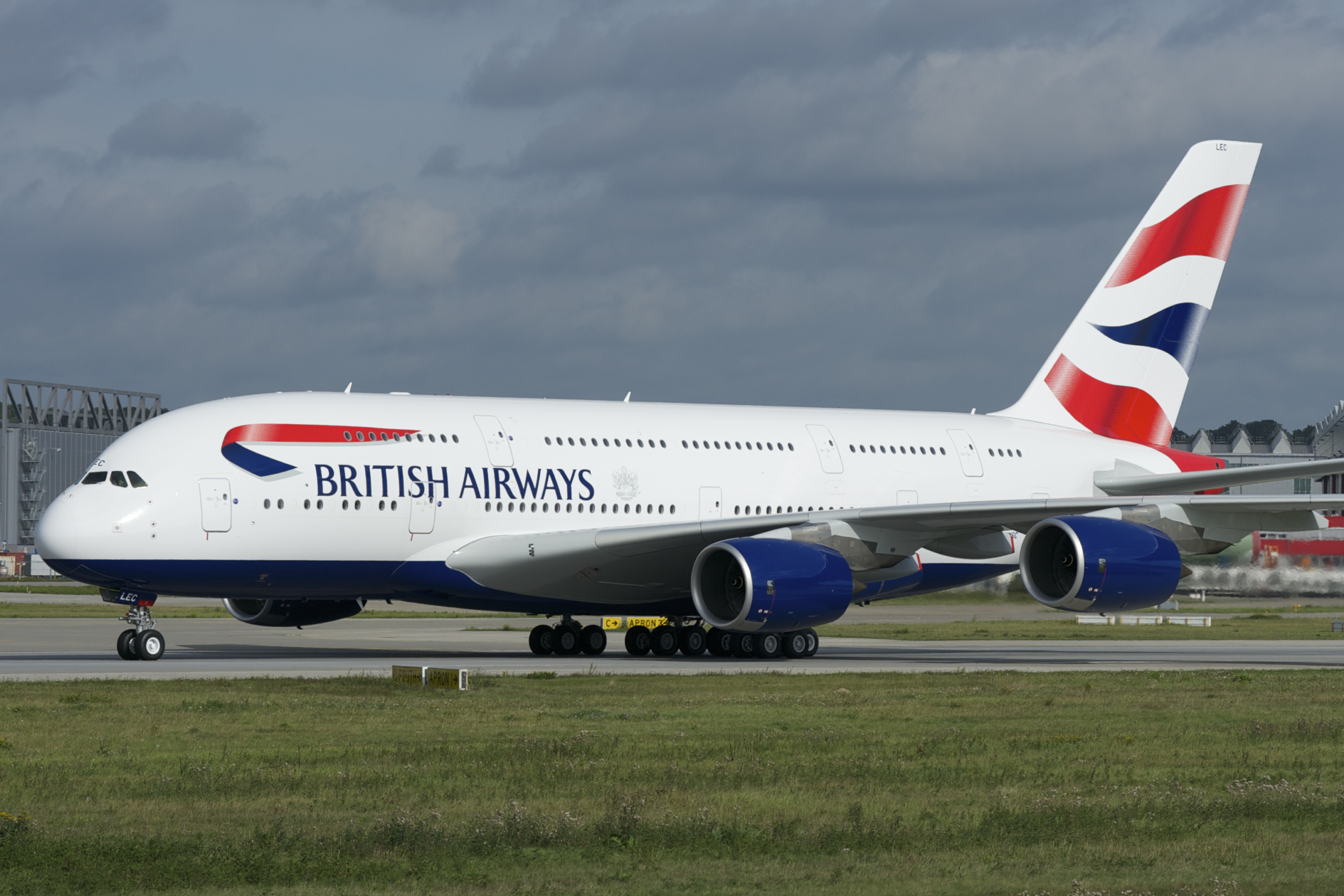
Effective 29 May 2027, the flag carrier will operate three weekly flights on a triangular routing linking London Gatwick with Kilimanjaro and Zanzibar before returning to the United Kingdom. The service, which runs through to 31 October 2027, will be operated by a Boeing 777 aircraft configured with three cabins — Club World business class, World Traveller Plus premium economy and World Traveller economy — giving Tanzania-bound travellers a genuinely full-service premium option for the first time in over a decade. Flights are scheduled to operate on Mondays, Thursdays and Saturdays.
The launch marks the airline’s return to Tanzania after an absence of roughly 15 years, and cleverly bundles two of East Africa’s most sought-after experiences into a single elegant itinerary. By linking the safari gateway of Kilimanjaro with the beach paradise of Zanzibar, British Airways is effectively offering a ready-made safari-and-beach product without forcing travellers to backtrack through another hub. For African tour operators, destination management companies and ground handlers, this is a golden opportunity to design premium combination packages that align neatly with the aircraft’s routing.
The commercial logic is compelling. Point-to-point demand between London and the two Tanzanian airports reportedly reached around 90,000 round-trip passengers last year without any direct service, all of which was routed via connecting hubs. Industry observers expect this latent demand to be stimulated by at least 40 percent in the first year alone, driven by the convenience of nonstop access. Crucially, both Kilimanjaro and Zanzibar attract a medium-to-high yield traveller profile rather than the backpacker segments associated with certain Asian leisure markets. Kilimanjaro leans especially premium, given that a typical 4-star safari experience — combining lodge accommodation and a four-hour game drive — comfortably sits in the US\$450 to US\$500 per person, per day bracket at minimum.
Against that backdrop, the new service looks well positioned to exceed internal yield and load factor expectations. It would not be surprising to see the route quickly graduate from seasonal to year-round operation within its very first year, particularly as school holidays and the peak safari season converge across the summer window.
Beyond Tanzania, British Airways has also confirmed that its long-standing Cape Town service will be uplifted from daily to 10 weekly flights for the entire Summer 2027 season. This significant capacity injection reflects sustained demand from across the airline’s global network for the Mother City, which continues to cement its position as one of Africa’s most magnetic urban destinations. For South African trade partners and inbound operators, the additional lift means more premium seats to sell, more flexible scheduling for corporate and leisure clients, and a stronger platform to promote off-peak experiences during shoulder periods.
Taken together, these announcements underline a broader truth that African travel professionals have long articulated — that Western carriers are once again recognising the commercial vitality of sub-Saharan destinations. As Sky Alliance carriers, Middle Eastern hubs and African flag carriers continue to jostle for share, the arrival of a premium European operator on new East African routes will likely reshape competitive pricing, distribution strategies and product design across the region.
For the sub-Saharan travel industry, the message is clear. The next 12 to 18 months should be spent preparing itineraries, pricing structures and marketing campaigns that fully leverage this new access. Those who move early to position Tanzania’s safari-and-beach story, and to package Cape Town alongside expanded British Airways lift, will be best placed to convert this fresh capacity into lasting commercial success.
Originally Published at travelnews.africa