Etihad flips script: distribution first, aircraft later for Africa expansion
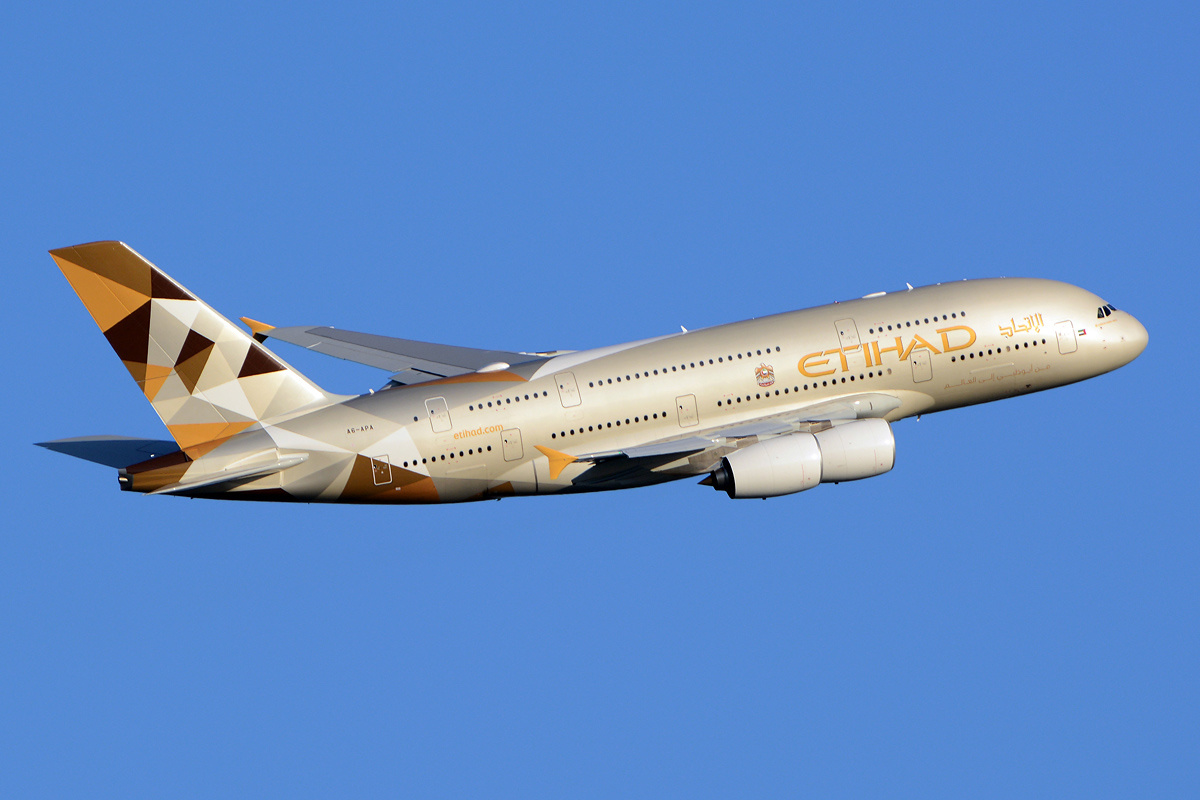
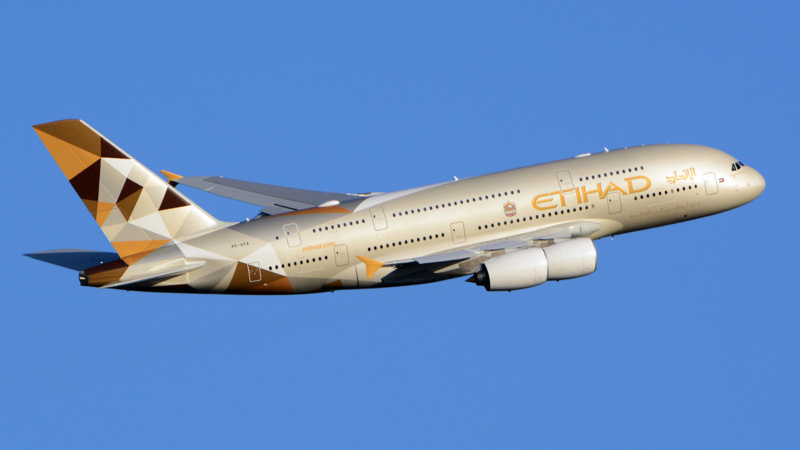
In a bold departure from conventional aviation strategy, Etihad Airways is rewriting the rulebook on how international carriers enter African markets. Rather than flying its aircraft into new cities first and figuring out passenger flows later, the Abu Dhabi-based airline has spent recent weeks stitching together a network of local partnerships that will feed traffic into its system months before its own jets touch African runways.
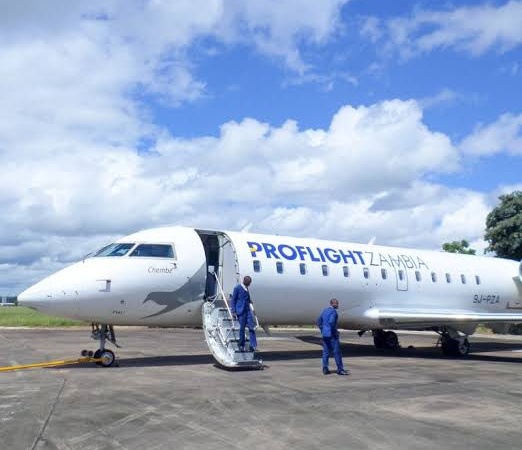
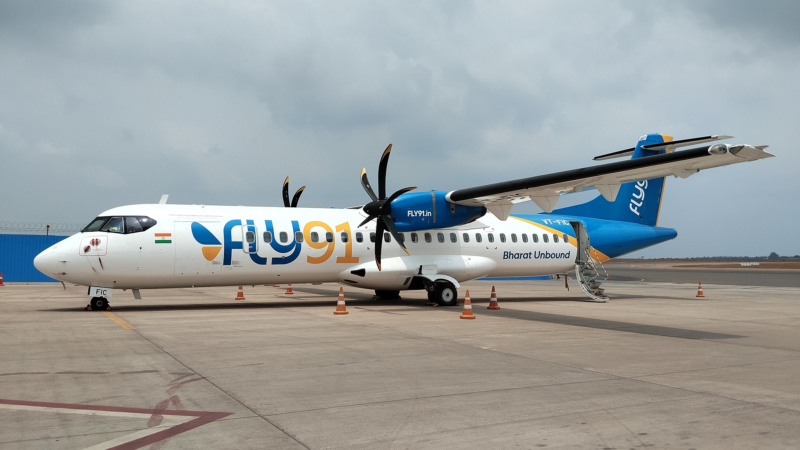
The carrier has finalised three separate deals with African operators: an interline agreement with Fastjet Zimbabwe, another interline pact with Air Peace of Nigeria, and a Memorandum of Understanding with Ghana’s Africa World Airlines. Together, these agreements form the backbone of Etihad’s push into West, Central and Southern Africa, ahead of six new African routes the airline announced earlier in the year.
The Air Peace arrangement, signed in Lagos, is particularly significant for the West African travel trade. It unlocks 20 destinations across Nigeria, West Africa and Central Africa for Etihad passengers, without the Gulf carrier having to deploy a single additional aircraft. For travel professionals in Lagos, Abuja, Port Harcourt and beyond, this means clients booking through Etihad will soon enjoy smoother onward journeys into regional markets that were previously difficult to reach on a single ticket.
Shortly afterwards in Accra, Etihad and Africa World Airlines put pen to paper on a broader cooperation framework. This MoU stretches beyond simple ticketing to encompass codeshare arrangements, interline connections, cargo operations and loyalty programme integration. For Ghanaian trade partners, the deal signals that Accra is being positioned as a serious secondary hub for premium Gulf-Africa traffic, opening fresh commercial opportunities for outbound leisure sales, corporate travel, and freight forwarding businesses.
Down in Southern Africa, the interline agreement with Fastjet Zimbabwe extends Etihad’s footprint into Harare and surrounding markets. This becomes especially relevant because Etihad’s own scheduled service to Harare is set to launch on 24 March 2027, the same date pencilled in for the airline’s Accra flights. That coordinated launch date reveals the deeper thinking at play: Etihad is arriving in two African capitals simultaneously, and both markets will already be primed with local distribution partners, familiar loyalty benefits and pre-established connecting itineraries.
What makes this strategy noteworthy for Africa’s travel trade is the sequencing itself. Historically, international carriers have launched routes first and only later worried about feeding traffic through smaller regional partners. Etihad is flipping that script. By building distribution, ticketing and loyalty infrastructure before its metal arrives, the airline is essentially warming up demand and creating booking pathways that agencies can start selling well ahead of the inaugural flight.
For African travel consultants, tour operators and corporate booking specialists, this represents a genuine shift in how relationships with Gulf carriers may evolve. Rather than treating African operators as afterthoughts, Etihad is treating them as strategic feeder partners from day one. The commercial implication is straightforward: businesses with strong ties to Air Peace, Africa World Airlines or Fastjet may find themselves better positioned to sell combined itineraries into Abu Dhabi and onwards to Asia, Europe and Australia.
Looking ahead, the model raises interesting questions for the wider continent. If this partnership-first approach delivers strong load factors when the new routes go live in 2027, other long-haul carriers eyeing Africa may well adopt a similar playbook. That would place local African airlines in a far stronger negotiating position, potentially reshaping how distribution power, revenue sharing and loyalty economics are structured across the continent’s aviation landscape in the coming years.
Originally Published at travelnews.africa