Ghana Sets Up National Committee to Slash Aviation Taxes Under ECOWAS Reform Push
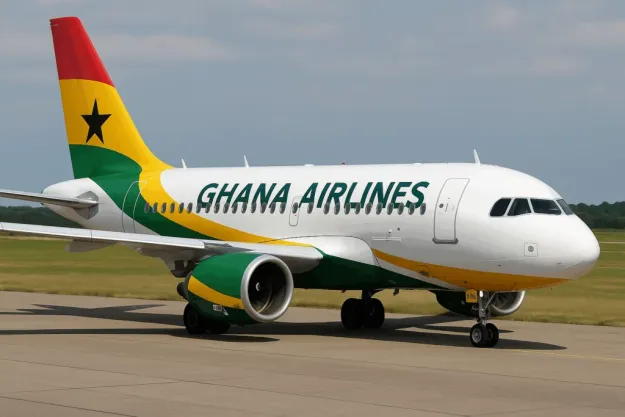
Ghana has taken a decisive step towards easing the cost of flying in West Africa. On 20 August 2026, Transport Minister Joseph Bukari Nikpe inaugurated a national committee tasked with implementing an ECOWAS regional policy aimed at cutting aviation taxes and charges. The move signals a serious intent to align Ghana with a broader bloc-wide effort to reduce airfares in a region long burdened by some of the highest ticket prices in the world.
The new committee will drive the local application of a landmark regional strategy that has been quietly reshaping West African aviation. Under the reforms, ECOWAS member states agreed to abolish ticket, tourism, solidarity and foreign travel taxes, while cutting passenger service and security charges by 25 percent. These sweeping measures officially took effect on 1 January 2026, following endorsement by ECOWAS Heads of State and Government at their December 2024 Summit in Abuja.
For African travel professionals, the significance of this reform cannot be overstated. High airport charges and layered government taxes have long been cited as the biggest obstacles to affordable travel across the region. Passengers flying between capitals such as Accra, Lagos, Abidjan and Dakar often pay more than travellers on far longer intercontinental sectors, a reality that has stifled tourism, business travel and cultural exchange within the bloc.
ECOWAS has framed the reform as part of a two-pronged trade strategy, combining a 151 million US dollar capital injection with the abolition of statutory aviation taxes to dismantle transport barriers and strengthen the African Continental Free Trade Area. The idea is not only to reduce the price of a plane ticket but also to build a more resilient West African aviation ecosystem capable of supporting stronger regional airlines and deeper cross-border commerce.
Implementation is being monitored by the ECOWAS Commission through a Regional Air Transport Economic Oversight Mechanism. The expected outcomes are ambitious: lower airfares, increased passenger traffic, stronger regional carriers and enhanced connectivity. For tour operators building itineraries across West Africa, this creates fresh opportunities to design competitively priced packages that can finally rival more affordable routings elsewhere on the continent.
Ghana’s decision to inaugurate a dedicated national committee suggests that the country intends to move faster than several of its neighbours in translating the ECOWAS decision into practical outcomes. Reports indicate that although the reform took effect on paper in January 2026, many member states have yet to fully integrate the required changes into their national legal frameworks. Without those legal adjustments, airlines cannot fully reflect the intended savings in their ticket pricing systems. Domestic airlines in some markets have been openly pushing governments to accelerate compliance so that consumers can start feeling the benefits.
Minister Nikpe’s leadership on this issue is grounded in extensive regional experience. He previously represented Ghana at the ECOWAS Parliament, where he was actively engaged in advancing regional cooperation and integration. His personal familiarity with the workings of the community’s institutions gives Ghana a credible voice as implementation gathers pace, and it also positions Accra as a potential model for other capitals still working out how to translate the reforms into national law.
The new committee’s mandate will focus on optimising fees while ensuring that aviation security protocols continue to meet international best practices, particularly those recommended by the International Civil Aviation Organization. Balancing lower costs for passengers with the operational needs of airports, air navigation service providers and security agencies will be a delicate undertaking, requiring close consultation with industry stakeholders.
Looking ahead, the ripple effects across the West African travel trade could be substantial. Cheaper regional airfares would unlock new demand from leisure travellers exploring destinations such as Cape Coast, Grand-Bassam, Saly and Lomé, while also making short business trips more viable for small and medium enterprises. If Ghana’s committee delivers timely results, the country could well emerge as a benchmark for how the ECOWAS aviation reform can meaningfully lower travel costs, reshape network economics and give the regional trade fresh momentum in the years to come.