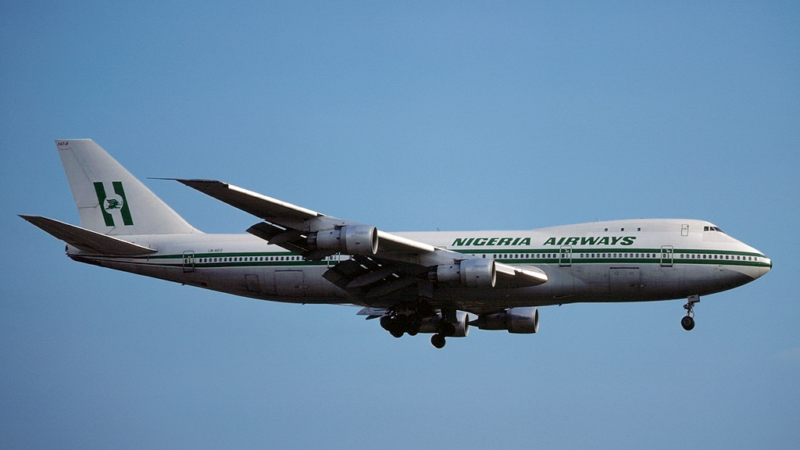
Nigerian Aviation Industry Faces Potential Shutdown as Fuel Costs Surge 350 Percent
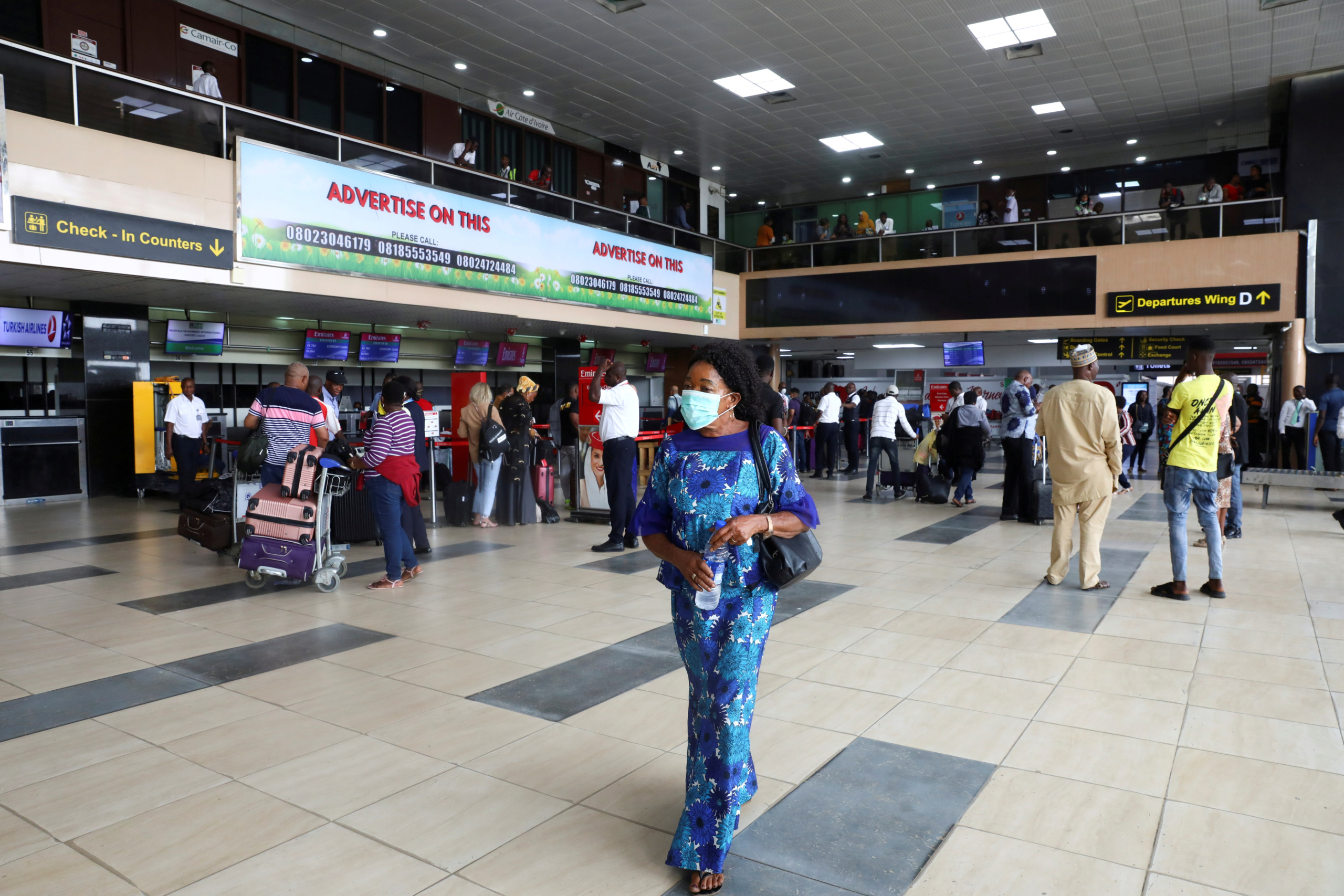
A deepening fuel crisis now threatens to ground domestic air travel across Nigeria, placing enormous pressure on airlines already operating under severe financial strain. The situation has escalated so dramatically that carriers are warning of imminent service reductions and even a complete suspension of operations if pricing relief does not materialise within days.
At the heart of this emergency lies an extraordinary spike in aviation fuel expenses that has left industry executives struggling to comprehend the underlying causes. One prominent carrier has reported that fueling a single aircraft now costs approximately 7.6 million naira, compared to just 2.1 million naira at the start of the year. This represents an increase exceeding 350 percent within a matter of weeks, a rate of escalation virtually unprecedented in commercial aviation.
What makes this crisis particularly perplexing for operators is the disconnect between local pricing and global market conditions. International benchmarks have not experienced anything close to such dramatic increases. Industry analysts point out that while global parity pricing rose by approximately 81 percent during the same period, Nigerian fuel costs surged by more than 260 percent beyond what international trends would suggest.
The Dangote Refinery, which supplies a significant portion of domestic aviation fuel, finds itself at the centre of complex market dynamics. Despite having major production capacity within Nigerian borders, the refinery has been exporting substantial quantities of jet fuel to European markets where profit margins have reached record levels. Meanwhile, domestic airlines face prices that continue climbing without corresponding relief.
Several factors contribute to this troubling scenario. Global supply disruptions linked to geopolitical tensions around key shipping routes have tightened worldwide fuel availability. Additionally, the refinery’s reliance on imported crude oil increases production costs, limiting the potential for cheaper domestic supply even when facilities operate at capacity.
For weeks, Nigerian carriers absorbed mounting losses rather than immediately passing costs to passengers. This approach reflected both competitive market pressures and a genuine sense of responsibility toward travellers already contending with broader economic challenges. However, what airlines initially hoped would prove a temporary disruption has now persisted for nearly two months with no resolution in sight.
The financial burden has become staggering. Industry calculations suggest that domestic operators have collectively shouldered approximately 150 billion naira in excess fuel costs over the past three months alone. Such losses cannot continue indefinitely, and the breaking point appears imminent.
Several carriers have already announced they may suspend nationwide operations within days unless urgent intervention occurs. Even airlines that continue flying face the grim prospect of generating revenue sufficient only to cover fuel expenses, leaving nothing for maintenance, salaries, or other essential operational requirements.
For African travel professionals monitoring this situation, the implications extend far beyond Nigerian borders. The country represents one of the continent’s largest aviation markets, and disruptions there inevitably affect regional connectivity, business travel, and tourism flows throughout West Africa.
Tourism destinations across Nigeria already feel ripple effects from reduced flight availability and rising ticket prices. Leisure travellers and business visitors alike face uncertainty when planning journeys, potentially diverting economic activity to competing destinations with more stable transport infrastructure.
Industry stakeholders are now calling urgently on fuel marketers and government authorities to reconsider pricing structures before permanent damage befalls the sector. Airlines emphasise that sustainable business models simply cannot function under current conditions, regardless of operational efficiency or fleet modernisation efforts.
The coming days will prove decisive for Nigerian aviation. Without meaningful pricing adjustments, the sector risks widespread service suspensions that would mark a significant setback for air travel development across the region and send troubling signals to international partners evaluating African market opportunities.
Originally Published at travelnews.africa