Proflight Zambia to grow Jetstream 41 fleet to nine with ex-Eastern Airways aircraft purchase
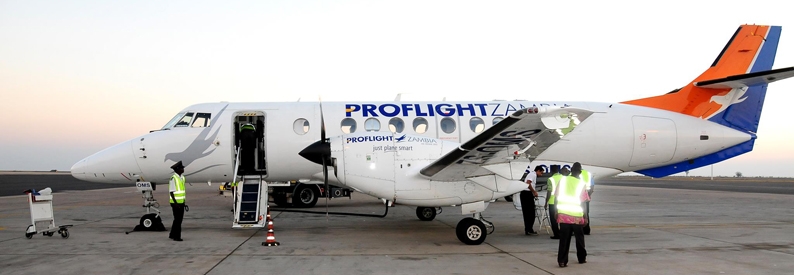
Southern Africa’s regional aviation scene continues to evolve rapidly, and Zambia’s leading scheduled carrier Proflight Zambia is making one of the most significant fleet moves of the year. The Lusaka-based airline has signed a letter of intent to acquire three BAe Jetstream 41 turboprops previously operated by the now-insolvent Eastern Airways (UK) Ltd, a deal that will lift the number of J41s in the Zambian carrier’s fleet to nine aircraft. For African travel trade professionals, the transaction underscores how second-hand fleet opportunities from struggling European operators are quietly reshaping capacity across the continent.
Proflight already operates six Jetstream 41s acquired from South African regional carrier Airlink, deploying them primarily on marginal and start-up routes where larger jets would be uneconomical. The 29-seat turboprop has become something of a workhorse for the airline, allowing it to build frequency on thinner sectors, test new markets and connect smaller towns to Lusaka and the Copperbelt. Adding three more airframes to this fleet will give Proflight far greater operational flexibility and the ability to introduce new destinations, boost frequencies and better manage aircraft rotations and maintenance schedules.
The seller in the latest transaction, Eastern Airways, was a well-known British regional carrier that collapsed into insolvency earlier this year, releasing several of its Jetstream 41 aircraft onto the market. Proflight’s move to snap up three of them at what is likely to be an attractive commercial rate reflects the airline’s savvy approach to fleet planning, favouring proven, cost-efficient aircraft over more expensive new-generation types for its core regional operations. The Jetstream 41 has long been valued for its short runway performance, low operating costs and suitability for rural and thin routes, qualities that map neatly onto the operational realities of many African markets.
Founded in 1991 by pilot Tony Irwin as a small family-run charter business operating from Lusaka International Airport, Proflight has evolved into Zambia’s largest and most influential scheduled airline. It transitioned to scheduled operations in 2005, gradually expanding both its domestic network and select regional services. Alongside the Jetstream 41 fleet, the airline also operates a mix of larger regional jets, giving it a diversified capacity profile that few competitors in the country can match.
For the travel trade, the implications of this fleet expansion are considerable. A larger Jetstream 41 fleet positions Proflight to deepen its footprint on tourism-critical routes, particularly those serving Zambia’s world-class safari destinations. Connections into Livingstone (Victoria Falls), Mfuwe (South Luangwa National Park), Kasama, Solwezi and Ndola are the type of routes where reliable regional turboprop capacity can make or break tour programme reliability. Additional aircraft also open the door for potential new routes into neighbouring countries, giving safari operators and DMCs more options when packaging multi-destination itineraries across Zambia, Malawi, Zimbabwe, Botswana and the Democratic Republic of Congo.
Corporate travel is equally important. Zambia’s mining, agriculture and manufacturing sectors generate steady demand for regional lift, particularly on links between Lusaka, the Copperbelt and cross-border business hubs. A larger, better-utilised regional fleet gives Proflight more capacity to serve this segment reliably, at a time when regional carriers across Africa are being challenged to combine punctuality with affordability. Travel management companies advising corporate clients into Zambia will find greater scheduling flexibility, an important selling point in a competitive procurement environment.
More broadly, the transaction is a reminder that fleet growth in African aviation does not always depend on brand-new aircraft orders. Smart, strategic acquisitions of well-maintained second-hand aircraft can deliver rapid capacity increases at a fraction of the cost, allowing carriers to scale in step with real market demand. As other regional airlines across sub-Saharan Africa evaluate their own fleet strategies, Proflight’s approach offers a useful blueprint: focus on the right aircraft for the right routes, and build a network on foundations that are financially sustainable.
With the letter of intent now signed, attention turns to the delivery timeline, regulatory approvals and route deployment plans in the coming months. If executed smoothly, this deal could position Proflight Zambia as one of the most influential regional carriers in Southern Africa, and give travel trade partners fresh reasons to build Zambia more prominently into their 2026 and 2027 itineraries.
Originally Published at travelnews.africa