Royal Air Maroc Halts Central Africa Flights as Fuel Crisis Reshapes Networks
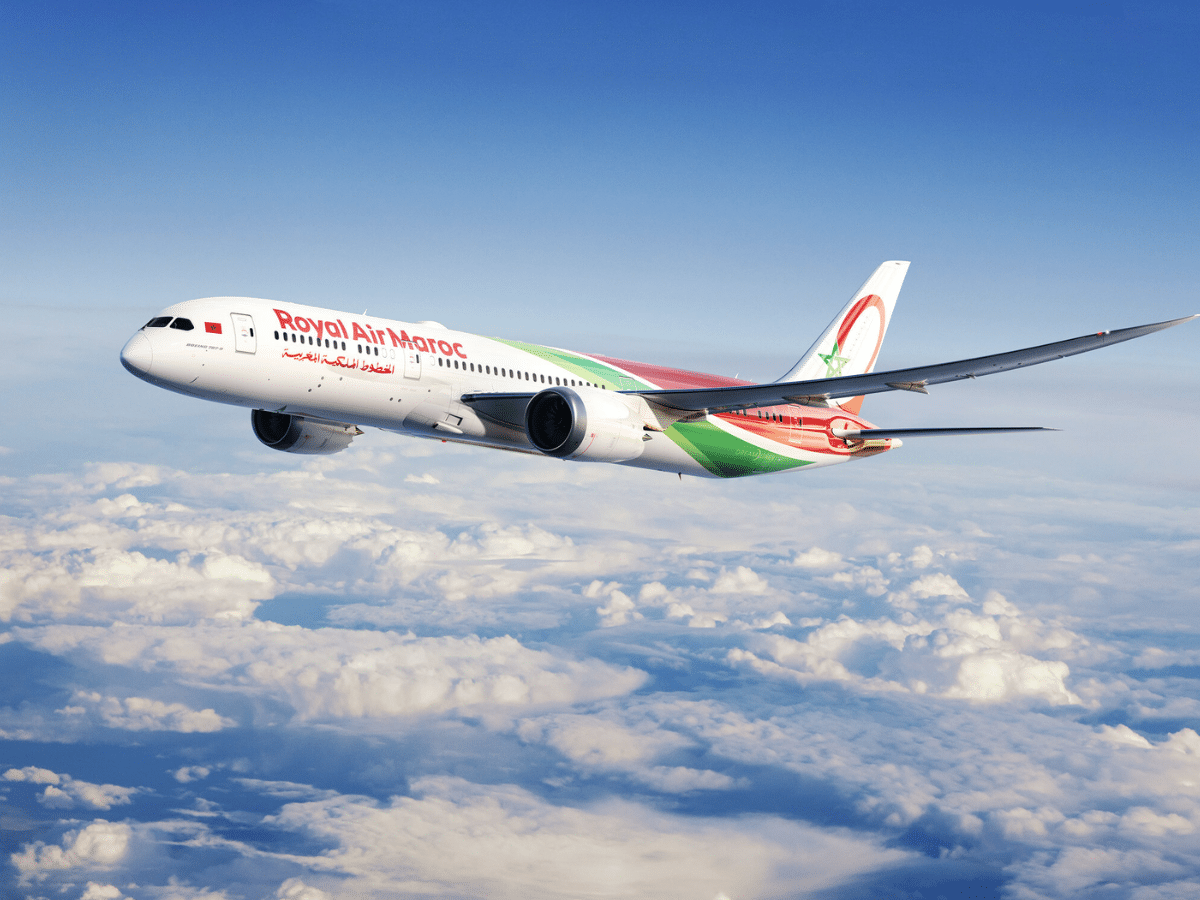
Royal Air Maroc has announced the temporary suspension of key routes connecting Casablanca to several Central African destinations, delivering an unwelcome setback for travel professionals who had anticipated expanded connectivity in the region. The Moroccan flag carrier cited soaring jet fuel prices driven by ongoing geopolitical tensions in the Middle East as the primary factor behind this difficult operational decision.
The suspended services affect connections to Bangui, Brazzaville, Kinshasa, Douala, Yaoundé and Libreville, representing a significant reduction in direct air links between North and Central Africa. For travel businesses across sub-Saharan Africa, this development creates immediate challenges in routing clients through what had become an increasingly important Casablanca hub for continental connectivity.
This announcement arrives just weeks after the carrier had outlined ambitious expansion plans for its African network. Frequency increases from June and a much-anticipated return to Pointe-Noire scheduled for October, which would have marked the airline’s first service to that Congolese city in seven years, have now been placed on hold indefinitely. The swift reversal underscores how rapidly market conditions can shift when external pressures mount.
Aviation industry analysts suggest that Central Africa became a natural target for these suspensions due to the high price sensitivity characteristic of these markets. As fuel costs have climbed sharply, ticket prices have followed, leading to weakened demand on routes where passengers have less capacity to absorb fare increases. The combination of elevated operating expenses and softer bookings made continued service economically unsustainable in the current environment.
The carrier, which maintains 36 destinations across the African continent, has moved to reassure stakeholders that this decision does not signal a broader retreat from African markets. Company representatives have emphasised that approximately ninety percent of the airline’s African network remains operational despite the challenging economic conditions. Officials have committed to restoring suspended services progressively once operational and economic circumstances improve.
For African travel professionals, the immediate priority involves identifying alternative routing options for clients requiring access to affected Central African destinations. Ethiopian Airlines, Kenya Airways and other regional carriers may offer viable alternatives, though connection times and fare structures will vary considerably. Building awareness of these backup options and maintaining flexibility in itinerary planning has become essential.
The broader implications extend beyond a single carrier’s network adjustments. Middle East tensions continue driving global refined kerosene prices upward, creating pressure across the entire aviation sector. Airlines worldwide face difficult choices between absorbing higher costs, passing increases to consumers through elevated fares, or reducing capacity on marginal routes. African carriers and the markets they serve are not immune to these global dynamics.
Travel businesses should anticipate potential further adjustments across multiple carriers if current conditions persist. Monitoring airline announcements closely, maintaining open communication with preferred carrier partners and preparing clients for possible schedule changes will help navigate this period of uncertainty. Building relationships with multiple airline partners rather than depending heavily on single carriers also provides valuable resilience.
The situation highlights the interconnected nature of modern aviation economics. Conflicts thousands of kilometres away now directly influence which African cities enjoy convenient air connections and at what price. Understanding these linkages helps travel professionals explain market realities to clients and manage expectations appropriately.
Royal Air Maroc has indicated that route resumptions will follow when geopolitical conditions stabilise and fuel prices retreat to more sustainable levels. Until then, the Central African travel market faces a period of reduced direct connectivity options through Casablanca. Forward-thinking travel businesses are already adapting their product offerings and supplier relationships to accommodate this shifting landscape while remaining ready to capitalise when services eventually resume.
Originally Published on travelnews.africa