Two East African Flag Carriers Switch Core Systems to Sabre Within Six Weeks
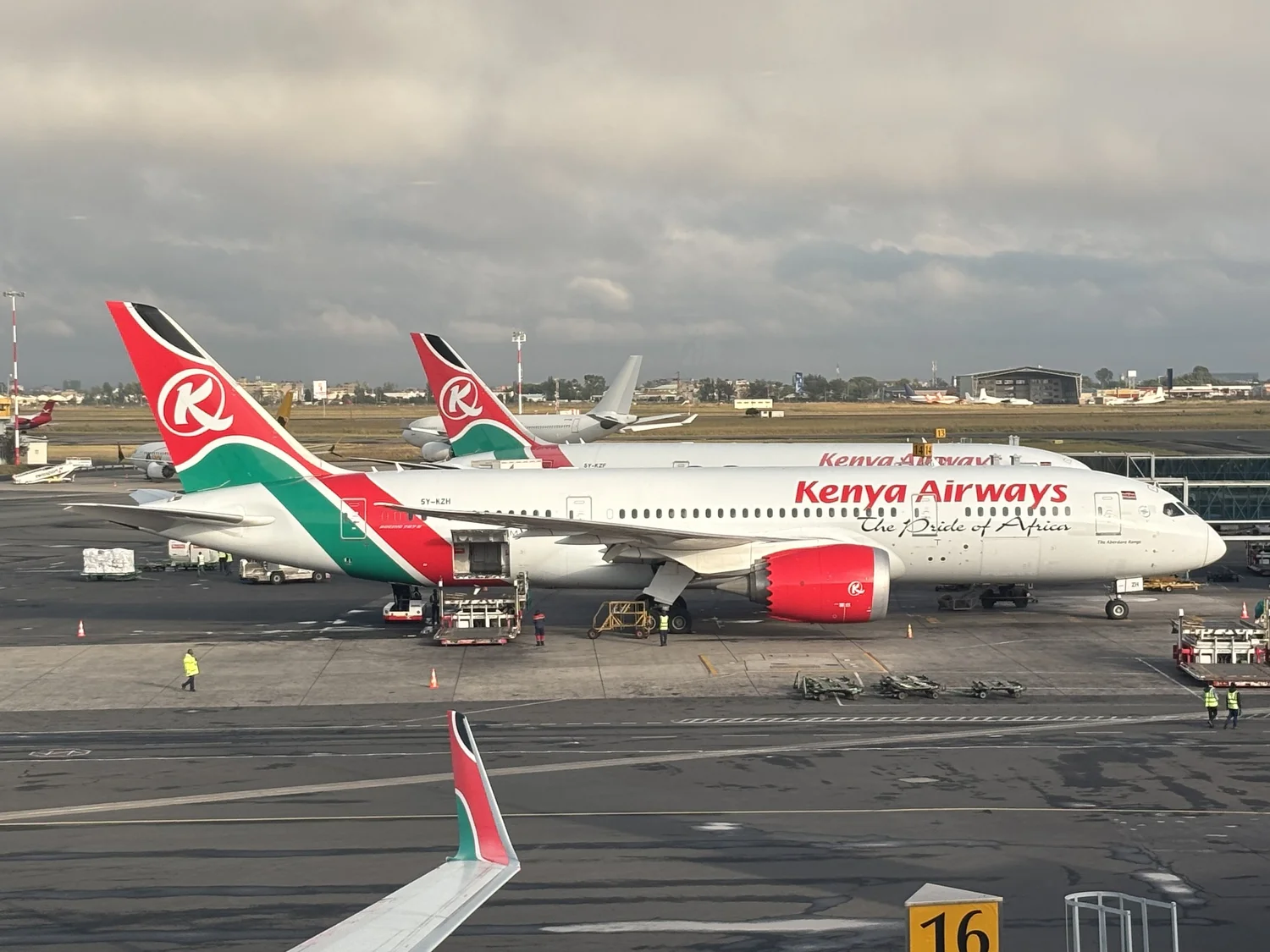
Something significant is happening in East African airline technology, and the trade across the continent should be paying attention. Within the space of six weeks, two national carriers have handed their core distribution infrastructure to the same supplier. Air Tanzania announced its agreement with Sabre on 11 August 2026, and Kenya Airways followed on 22 September. Both announcements were presented to the market as retailing stories, but the deeper reality is that both airlines are replacing the passenger service systems that sit at the centre of everything they do.
The Tanzanian deal makes the scope clear. Air Tanzania is adopting the SabreSonic passenger service system alongside Sabre Mosaic NDC IT, taking on both the operational backbone and the modern retailing layer at the same time. A passenger service system handles reservations, inventory, departure control and fares. It is not a marketing tool that can be switched at will, and replacing one is among the most demanding projects an airline can undertake.
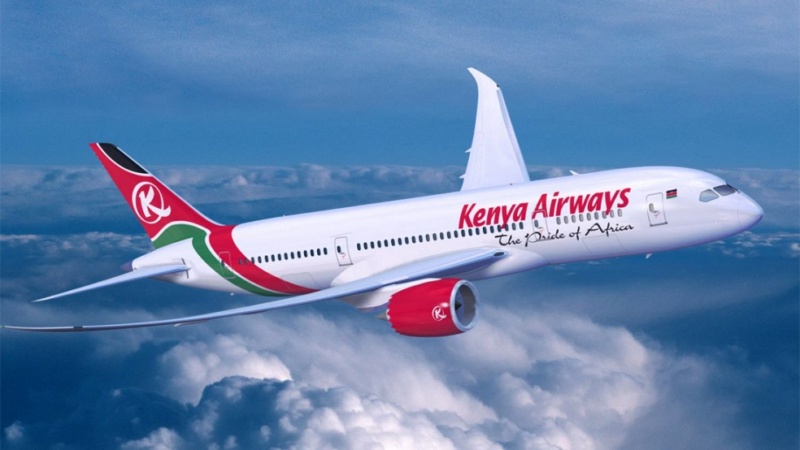
Kenya Airways arrives at this moment from a different starting point, which is what makes its decision particularly interesting. The carrier became the first Sub-Saharan airline to distribute NDC content through the Amadeus Travel Platform in April 2025, and non-IATA agencies in the region were given access to that content in March. That was a genuine breakthrough for independent agencies, many of which had previously been locked out of richer fare and ancillary content because they lacked IATA accreditation.
Here is the question that neither announcement answers. What happens to that existing NDC content once the passenger service system changes? Agencies and aggregators that have invested time integrating, training staff and rebuilding workflows around the current arrangement have a legitimate commercial interest in knowing whether their access continues unchanged, whether it is rebuilt on new foundations, or whether there is a gap during migration. That uncertainty will be raised repeatedly before either migration goes live, and it should be.
For agency owners across sub-Saharan Africa, the practical lesson is about preparation rather than alarm. Core system migrations typically bring periods of reduced functionality, temporary limits on servicing changes and refunds, and short windows where booking behaviour must adapt. Agencies that ask their airline account managers now for migration timelines, fallback procedures and contact points for escalation will handle the transition far better than those who discover the changes on the day a client needs a ticket reissued.
The wider picture is more encouraging. A single technology provider now sits behind the retailing ambitions of two major regional carriers, which suggests a degree of standardisation that could eventually simplify life for agencies working across borders. If the same content standards, servicing processes and interfaces apply in Nairobi and Dar es Salaam, the cost of doing business in multiple markets falls. That is a meaningful prize in a region where fragmentation has long slowed growth.
There is a counterweight to consider. Concentration also creates dependency. When two national carriers rely on the same platform, a technical problem or a commercial disagreement at supplier level carries unusually broad consequences. Mature agency groups elsewhere manage this by maintaining relationships across multiple distribution channels rather than committing entirely to one route to content, and African agencies would be wise to adopt the same discipline.
What these two deals really signal is that modern airline retailing has arrived in East Africa as an operational reality, not a conference discussion topic. Dynamic pricing, bundled ancillaries, personalised offers and continuous pricing all depend on the kind of infrastructure now being installed. Agencies that understand how to sell within that environment, rather than simply reacting to it, will find themselves better positioned as the next wave of carriers on the continent makes similar decisions over the coming seasons.
Originally Published at travelnews.africa