United Nigeria Airlines Accelerates Growth with Major Boeing 737-800 Fleet Expansion
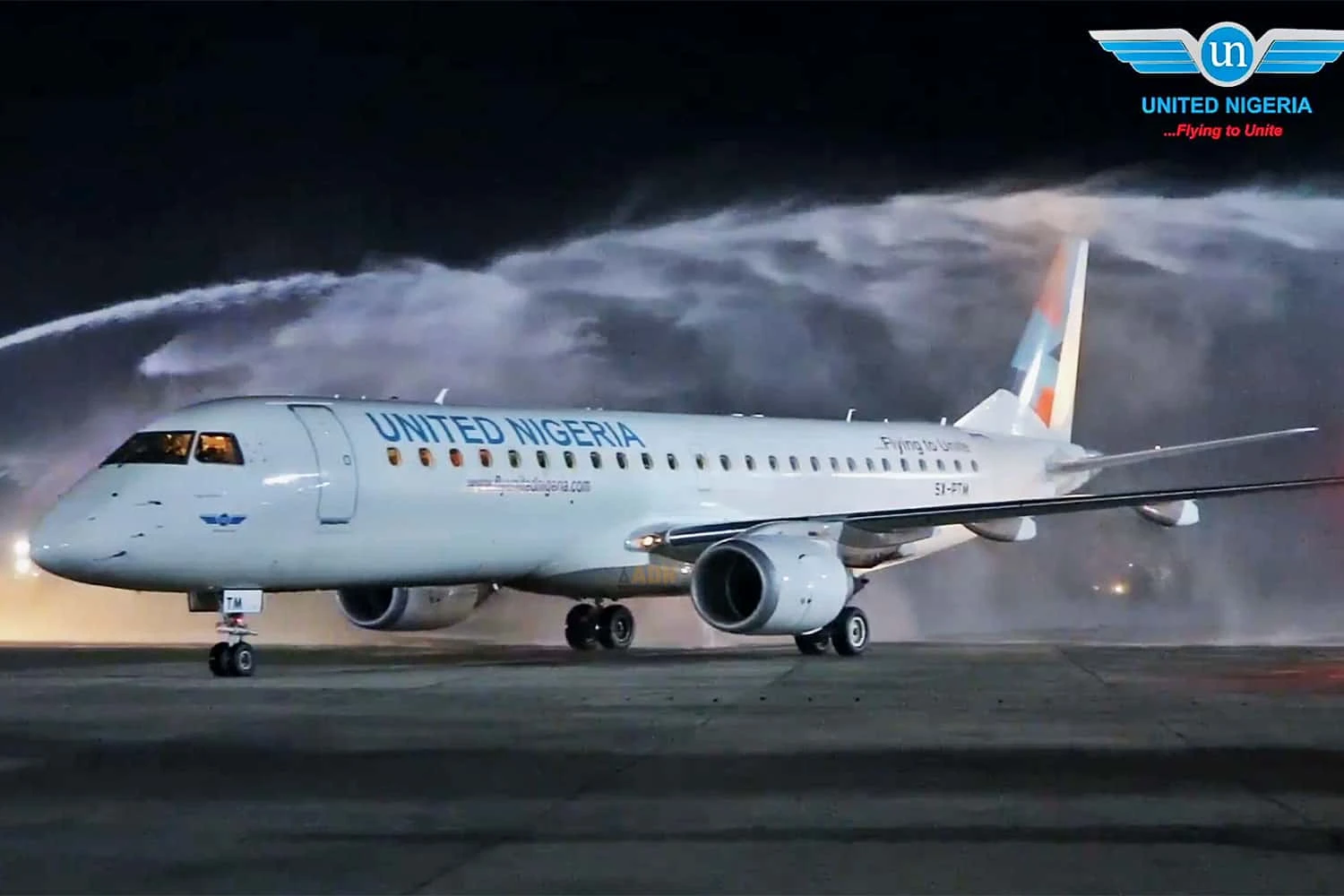
In a development that signals robust ambition within the African aviation landscape, United Nigeria Airlines is pushing ahead with a significant fleet expansion programme. The privately-owned Nigerian carrier, now marking its fifth year of commercial operations, has confirmed plans to integrate its first Boeing 737-800 aircraft alongside a second Embraer E190, setting the stage for a transformative chapter in its growth trajectory.
The airline has secured an agreement to acquire six Boeing 737-800 jets previously operated by Southwest Airlines, one of the largest carriers in the United States. The deal, facilitated through aviation specialists, includes options for an additional four aircraft, potentially bringing the total acquisition to ten narrow-body jets. This bold move could see United Nigeria effectively triple its current fleet size from five aircraft to as many as fifteen in the coming months.
For travel professionals across sub-Saharan Africa, this expansion carries noteworthy implications. A larger fleet typically translates into increased route frequency, improved seat availability, and enhanced connectivity options for both leisure and business travellers. As African tourism continues its post-pandemic recovery and business travel regains momentum, carriers with modern, reliable equipment will be better positioned to capture market share and forge valuable partnerships with tour operators and travel management companies.
The Boeing 737-800 represents a proven workhorse in commercial aviation, renowned for its operational efficiency, passenger comfort, and versatility on short to medium-haul routes. For a carrier like United Nigeria, these aircraft offer the capacity and range to strengthen domestic Nigerian routes while potentially opening doors to regional destinations across West Africa. Travel trade stakeholders should watch closely as such expansions often precede new route announcements that could benefit package holiday organisers and corporate travel planners alike.
Perhaps even more intriguing for the African travel industry is the airline’s reported interest in long-haul operations commencing as early as summer 2026. United Nigeria is understood to be exploring the leasing of Airbus A330-200 wide-body aircraft, which would enable the carrier to serve intercontinental destinations. Should these plans materialise, it would mark a significant milestone for the airline and add another Nigerian player to the competitive long-haul market, potentially offering African travellers more choice and competitive pricing on routes to Europe, the Middle East, and beyond.
The timing of this expansion aligns with broader trends reshaping African aviation. Several carriers across the continent are investing in fleet renewal and network growth, recognising that air connectivity remains fundamental to economic development and tourism prosperity. For travel businesses, this creates opportunities to negotiate favourable terms, develop new products, and attract clients seeking seamless travel experiences within and beyond Africa.
United Nigeria’s journey from a regional start-up to an airline with genuine growth ambitions reflects the entrepreneurial spirit driving African aviation forward. Currently operating a fleet that includes Embraer ERJ-145 regional jets, the transition to larger Boeing equipment represents a natural progression for an operator ready to serve increased demand.
Travel professionals would be wise to monitor how this fleet expansion unfolds over the coming months. New aircraft deliveries, route launches, and potential interline or codeshare agreements could all present commercial opportunities worth exploring. As the African travel trade continues to evolve, carriers demonstrating investment confidence and operational growth deserve attention from forward-thinking industry stakeholders seeking reliable airline partners for their clients.
The skies above Nigeria are becoming increasingly competitive, and United Nigeria appears determined to claim its share of the opportunity that lies ahead.
Originally Published at travelnews.africa